Common Septic System Failures and How Expert Repair Prevents Costly Damage
Septic systems are a critical yet often overlooked component of residential and commercial properties that are not connected to municipal sewer lines. When functioning correctly, they quietly manage wastewater with minimal disruption. However, when problems arise, septic system failures can escalate quickly, causing health risks, environmental damage, and expensive repairs. Understanding the most common septic system failures is essential for property owners who want to protect their investment and avoid unexpected emergencies that disrupt daily operations or home life.
In today’s construction and property management landscape, proactive septic system maintenance and expert repair are no longer optional considerations. Aging infrastructure, increased water usage, improper waste disposal, and soil changes all contribute to system stress. Without professional intervention, minor issues such as slow drains or foul odors can progress into major failures like drain field collapse or sewage backups. This makes expert septic repair not just a reactive solution, but a preventative strategy that safeguards property value, ensures regulatory compliance, and reduces long-term costs. By examining common failure points and how professional repair services mitigate damage, property owners can make informed decisions that extend system lifespan and prevent costly disruptions.
Understanding How Septic Systems Function
Key Components and Their Roles
A septic system is composed of several interconnected parts that must work in harmony. The septic tank receives wastewater from the property, allowing solids to settle while lighter materials float. The clarified liquid then flows into the drain field, where soil naturally filters contaminants. When any component is compromised, the entire system becomes vulnerable to failure. Understanding each part’s role helps homeowners identify problems early and communicate effectively with repair professionals. Proper knowledge also encourages responsible usage that protects system longevity. Familiarity with system components also aids in making informed decisions regarding upgrades, repairs, or replacements, preventing unnecessary costs and environmental risks.
Why System Balance Matters
Septic systems rely on bacterial activity to break down waste efficiently. Excessive water usage, harsh chemicals, or non-biodegradable materials can disrupt this balance. When bacteria are reduced or overwhelmed, solids accumulate faster, increasing the risk of clogs, backups, and structural damage. Maintaining this balance also ensures odor control, prevents harmful pathogens from entering the environment, and supports the long-term efficiency of the drain field. Properly balanced systems also reduce maintenance frequency and help the system withstand seasonal variations, heavy usage, or unexpected stress.
Common Septic Tank Failures
Cracks, Corrosion, and Structural Damage
One of the most frequent septic system failures involves damage to the tank itself. Older concrete tanks may crack due to soil movement or corrosion from acidic waste. Plastic and fiberglass tanks can also shift or collapse if improperly installed. These failures allow untreated wastewater to leak into surrounding soil, creating environmental hazards and health concerns. Regular inspections and timely repairs can identify structural weaknesses before they lead to significant contamination. Early detection also prevents small leaks from escalating into full-scale environmental violations, protecting both property value and local ecosystems.
Overflow and Sludge Buildup
When tanks are not pumped regularly, sludge accumulates beyond safe levels. This reduces holding capacity and allows solids to escape into the drain field. Once solids enter the drain field, they clog soil pores and significantly reduce absorption efficiency, leading to surface pooling and system failure. Overflows also create unpleasant odors, attract pests, and increase the likelihood of costly emergency interventions. Regular monitoring and pumping schedules ensure the system functions smoothly, preventing sudden, disruptive failures that could impact daily household operations.
Drain Field Failures and Their Consequences
Root Intrusion and Blockages
Tree roots are a common cause of drain field failure. Roots seek moisture and nutrients, infiltrating pipes through small joints or cracks. Over time, root growth restricts flow and damages pipes, leading to uneven distribution and system overload. Installing root barriers or careful landscaping planning can prevent roots from compromising the drain field. Prompt removal of minor root invasions also helps maintain smooth wastewater flow. Additionally, selecting non-invasive plant species near the system can reduce long-term risks.
Warning Signs of Septic System Failure
Early Indicators Property Owners Should Not Ignore
Slow drains, gurgling sounds, sewage odors, and unusually green grass over the drain field are early warning signs of septic trouble. These indicators often suggest partial blockages or drainage issues that can be corrected if addressed promptly. Monitoring these signs regularly allows homeowners to schedule timely maintenance before problems escalate. Early attention also minimizes disruption to daily routines and reduces repair costs. Recognizing subtle changes in system behavior empowers homeowners to act quickly, preventing minor issues from evolving into major emergencies.
Escalating Symptoms and Emergency Scenarios
If left unresolved, minor symptoms escalate into sewage backups, standing wastewater, or contamination of nearby water sources. At this stage, repairs become more invasive and costly, often requiring excavation or system replacement. Emergency scenarios also pose serious health hazards, making rapid professional intervention essential. Recognizing the difference between minor warning signs and critical failures can save property owners significant time and money. Advanced planning and emergency preparedness can further minimize damage and reduce recovery time in critical situations.
How Expert Septic Repair Prevents Costly Damage
Accurate Diagnostics and Targeted Solutions
Professional septic technicians use advanced diagnostic tools such as camera inspections and soil evaluations to identify the root cause of failure. This precision prevents unnecessary digging and ensures repairs address underlying issues rather than temporary symptoms. Expert diagnostics also help determine whether the tank, drain field, or pipes need repair or replacement, allowing for a more cost-effective solution. Thorough diagnostics also uncover hidden issues that could worsen over time, ensuring long-term system reliability.
Preventative Repairs and System Optimization
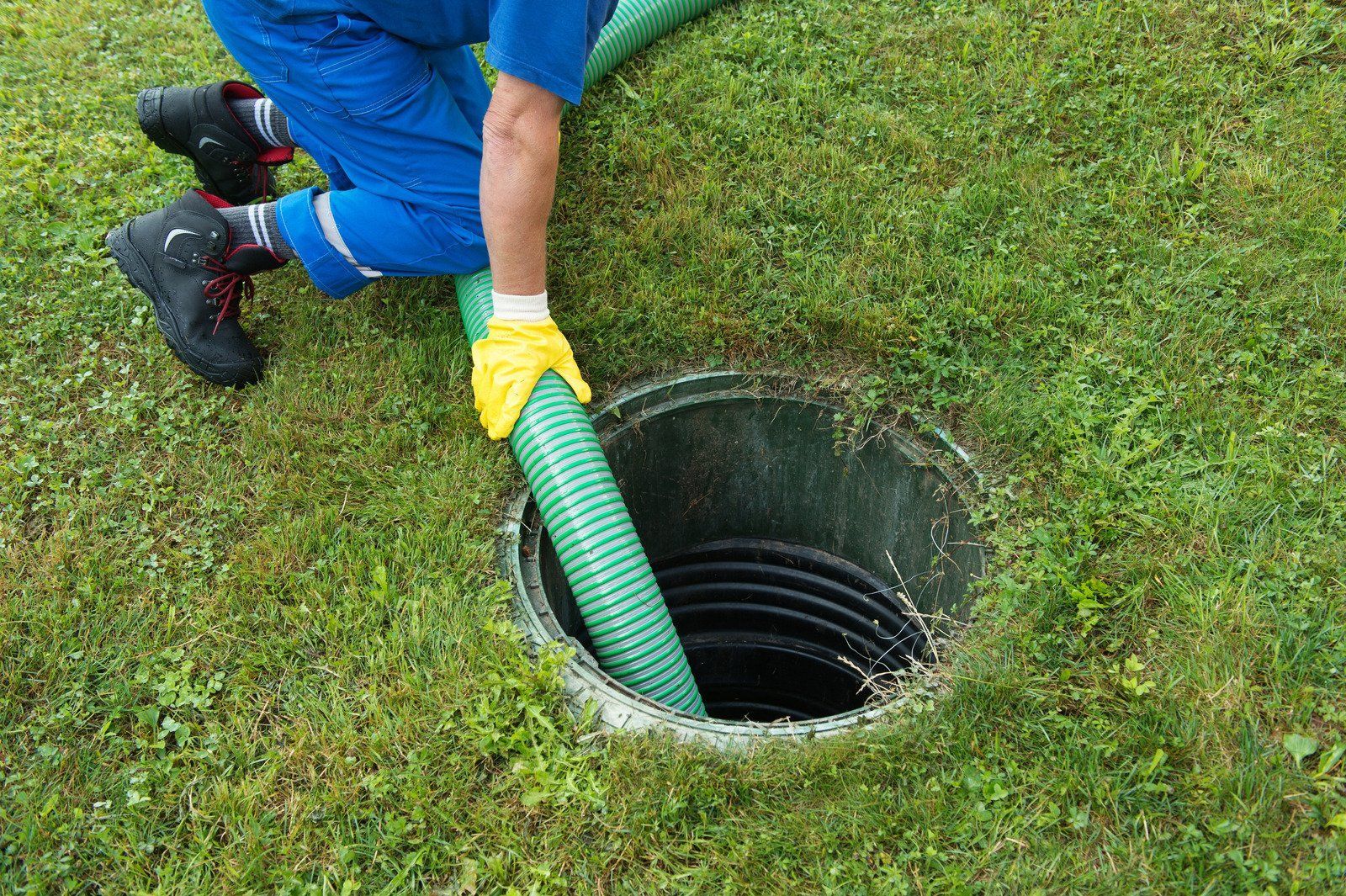
Expert repair services often include reinforcing tank structures, replacing damaged baffles, clearing blockages, and restoring drain field function. These targeted interventions extend system lifespan and prevent small issues from becoming catastrophic failures. By addressing minor cracks, pipe misalignments, or sludge accumulation proactively, professionals can avoid emergency interventions that disrupt property use and increase repair expenses. Routine preventative maintenance also improves system efficiency, reducing water usage and minimizing environmental impact.
Best Practices for Long-Term Septic System Health
Routine Maintenance and Responsible Usage
Regular pumping schedules, water conservation, and proper waste disposal significantly reduce failure risks. Avoiding grease, chemicals, and non-flushable items protects bacterial balance and system integrity. Educating household members or tenants about what can and cannot enter the system further enhances reliability and reduces unnecessary strain on septic components. Consistent application of these practices ensures smooth operation and lowers the risk of costly replacements over the system’s lifetime.
Professional Inspections and Ongoing Support
Scheduled inspections by trained professionals help detect early signs of wear or imbalance. Ongoing expert oversight ensures compliance with regulations and provides peace of mind for property owners. Consistent professional involvement also allows for timely adjustments, such as baffle replacements or drain field enhancements, keeping systems running efficiently for decades. Continuous professional support also helps homeowners plan upgrades or expansions safely, maintaining both functionality and property value.
Septic system failures rarely occur without warning, yet many property owners overlook early signs until damage becomes severe. From tank corrosion and sludge buildup to drain field saturation and root intrusion, these issues can compromise sanitation, safety, and property value. Understanding how septic systems function and recognizing common failure points empowers owners to act proactively rather than reactively. Expert repair plays a critical role by providing accurate diagnostics, targeted solutions, and preventative maintenance that reduce long-term costs. By addressing problems early and relying on professional expertise, property owners can avoid emergencies, extend system lifespan, and maintain reliable wastewater management. Proactive septic care is not just a maintenance task; it is an investment in infrastructure longevity and environmental responsibility.
Smart Septic Decisions That Prevent Major System Breakdowns
For property owners seeking dependable septic system solutions, Simply Rooter and Septic stands as a trusted authority in the Phoenix Metropolitan Area, Arizona. With 25 years of hands-on experience, the company has built a reputation for delivering precise diagnostics, effective repairs, and long-term preventative strategies tailored to the region’s unique soil and environmental conditions. Their expertise spans complex septic failures, routine maintenance, and emergency repairs, allowing clients to address issues before they escalate into costly disruptions. By combining technical knowledge with a commitment to quality workmanship, Simply Rooter and Septic helps homeowners and businesses protect their investments and maintain compliance with local regulations. Their approach emphasizes transparency, education, and proactive service, ensuring clients understand their systems and the steps needed to keep them operating efficiently. When septic system reliability matters, partnering with an experienced professional team provides confidence, reduced risk, and lasting performance.