The Importance of Routine Septic Tank Inspections for Long-Term System Health
Septic systems are one of the most essential yet overlooked components of residential and commercial wastewater management. A properly functioning system ensures safe disposal of waste, protects groundwater, and maintains overall hygiene around a property. However, without routine septic tank inspections, even a well-designed system can gradually lose efficiency, leading to costly repairs and environmental risks. In the septic service industry, preventive care is widely recognized as the most effective way to extend system life and avoid unexpected failures.
Routine inspections play a critical role in identifying early warning signs that are not visible during daily usage. These include sludge buildup, drainage issues, pipe blockages, and potential leaks that can compromise the entire system. By addressing these concerns early, long-term damage can be prevented, and the system can continue functioning at optimal performance. Regular monitoring is not just a maintenance task; it is a proactive strategy that protects both property value and public health.
As demand for sustainable wastewater solutions increases, septic system care has become more important than ever. Understanding the value of inspections helps property owners make informed decisions that ensure reliability, efficiency, and environmental safety over time.
Understanding Septic System Function and Inspection Importance
How Septic Systems Operate
A septic system operates through a natural separation process where wastewater enters a tank, solids settle at the bottom, and oils float to the top, while clarified liquid moves into the drain field for soil filtration. This balanced process ensures efficient wastewater treatment, protecting both system performance and environmental safety over extended periods.
Early Detection of Hidden Problems
A routine inspection helps identify hidden septic issues that develop silently, such as slow drainage, minor leaks, and odor changes. Detecting these problems early prevents system deterioration, reduces repair costs, and ensures continuous safe operation. Early intervention improves reliability and protects property from unexpected wastewater complications over time through consistent monitoring.
System Load Evaluation
System load evaluation assesses how much wastewater demand is placed on a septic system by monitoring usage patterns, household expansion, and water flow. This analysis helps prevent overload conditions, ensures proper tank capacity utilization, and reduces strain on system components, ultimately supporting long-term operational balance and efficiency for sustained system health.
Preventing Costly Repairs Through Regular Monitoring
Avoiding Major System Failures
Routine septic inspections prevent major system failures by identifying minor issues such as blockages, leaks, and drain field inefficiencies before they escalate. Early correction of these problems ensures uninterrupted system performance, reduces repair costs, and eliminates the risk of a complete system breakdown that can disrupt property functionality and long-term stability.
Identifying Structural Damage Early
Septic inspections help detect structural damage such as cracks, corrosion, and damaged baffles before these issues worsen. Early identification allows timely corrective action, preventing costly replacements and ensuring system integrity. This proactive approach maintains durability, improves performance, and extends the lifespan of critical septic components within the system consistently.
Reducing Emergency Service Costs
Routine inspections significantly reduce emergency septic repair costs by detecting issues early and allowing scheduled maintenance instead of urgent intervention. This approach minimizes unexpected expenses, prevents property disruption, and ensures smoother system performance. Preventive care is far more cost-effective than emergency repairs caused by neglected septic system maintenance.
Extending System Lifespan
Consistent septic inspections play a key role in extending system lifespan by maintaining balance within the tank and ensuring all components operate efficiently. Regular maintenance prevents premature wear, reduces mechanical stress, and supports long-term reliability. A well-monitored system consistently delivers stable performance over many years without major interruptions.
Real-World Scenario
A typical household often overlooks early septic warning signs such as slow drains or minor odors, allowing issues to escalate into full system failure. Routine inspections prevent this progression by identifying problems early, enabling timely intervention, and avoiding costly damage. This proactive approach ensures consistent system reliability and homeowner peace of mind.
Environmental Protection and Health Safety Benefits
Odor and Hygiene Control
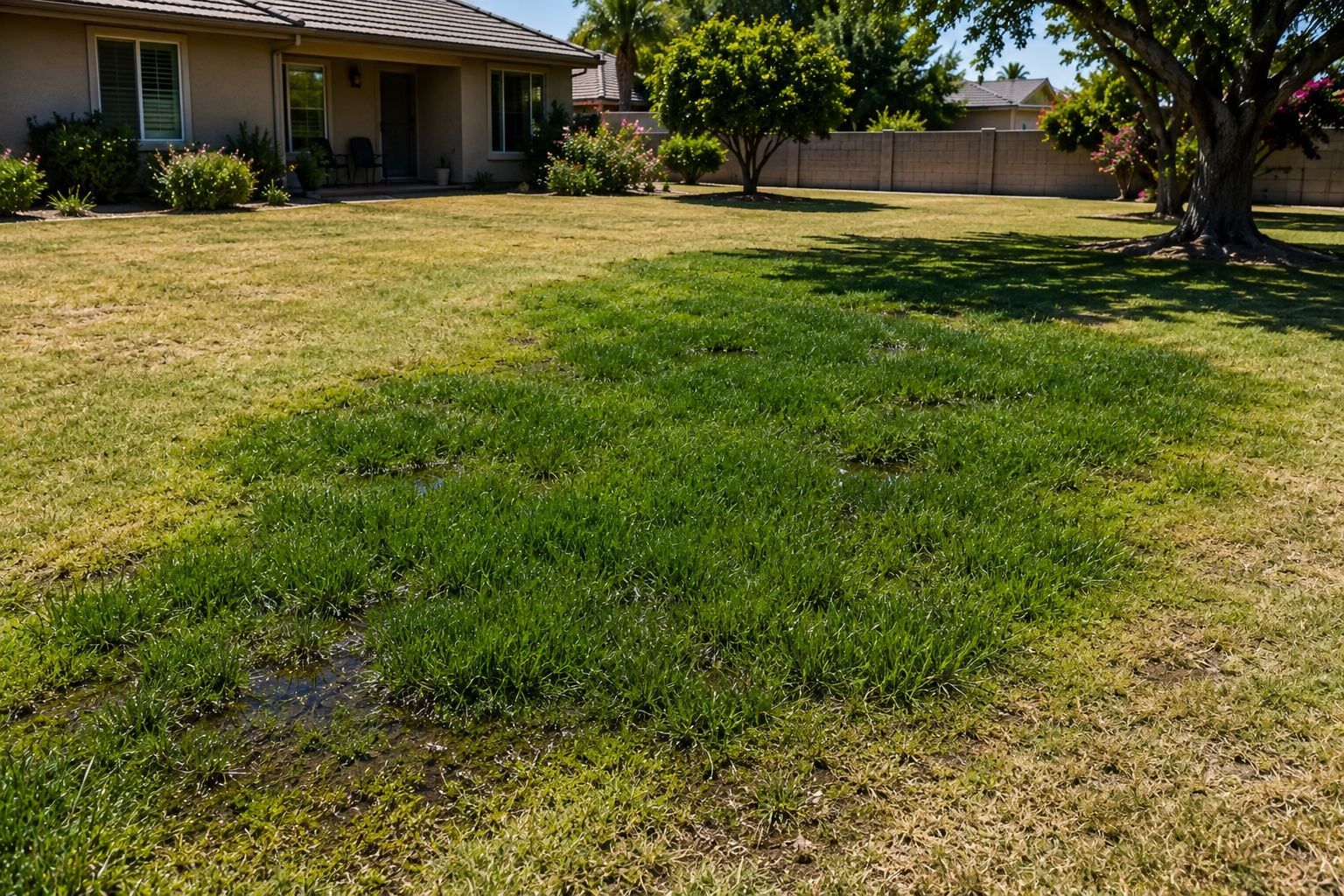
Foul odors around a property often indicate septic system imbalance, overflow conditions, or drain field inefficiencies. Routine inspections help detect these issues early, allowing corrective action that restores proper hygiene and eliminates unpleasant smells. Maintaining system balance ensures a clean environment and a healthier living space.
Supporting Environmental Sustainability
Properly maintained septic systems contribute to environmental sustainability by reducing groundwater pollution, minimizing waste leakage, and ensuring safe wastewater treatment. Routine inspections help maintain system efficiency, prevent environmental degradation, and support responsible water management practices that protect natural resources and promote long-term ecological balance.
Maintenance Best Practices and Professional Insights
Scheduling Consistent Inspections
Routine septic inspections should be scheduled at regular intervals based on system size, household usage, and occupancy levels. Consistency ensures early detection of potential issues, prevents unexpected failures, and supports long-term system efficiency. A structured inspection schedule helps maintain reliable performance and reduces maintenance uncertainty for property owners.
Monitoring Water Usage Patterns
Excessive water usage places additional strain on septic systems, reducing efficiency and increasing the risk of overload. Routine inspections assess usage patterns, identify inefficiencies, and recommend corrective measures. Proper water management supports system balance, extends component lifespan, and ensures reliable wastewater processing under varying household demand conditions.
Proper Waste Disposal Habits
Improper waste disposal, such as flushing non-biodegradable items, oils, and harsh chemicals, disrupts septic system balance and reduces efficiency. Routine inspections help identify issues caused by poor disposal habits and reinforce corrective practices. Maintaining proper waste management ensures bacterial balance, improves treatment efficiency, and reduces long-term system strain.
Keeping Drain Fields Protected
Drain fields require protection from heavy loads, construction activity, and excessive landscaping that can damage underground components. Routine inspections ensure these areas remain intact, functional, and free from obstruction. Protecting drain fields helps maintain absorption efficiency, prevents system failure, and supports long-term wastewater treatment performance across the property.
Professional Evaluation Techniques
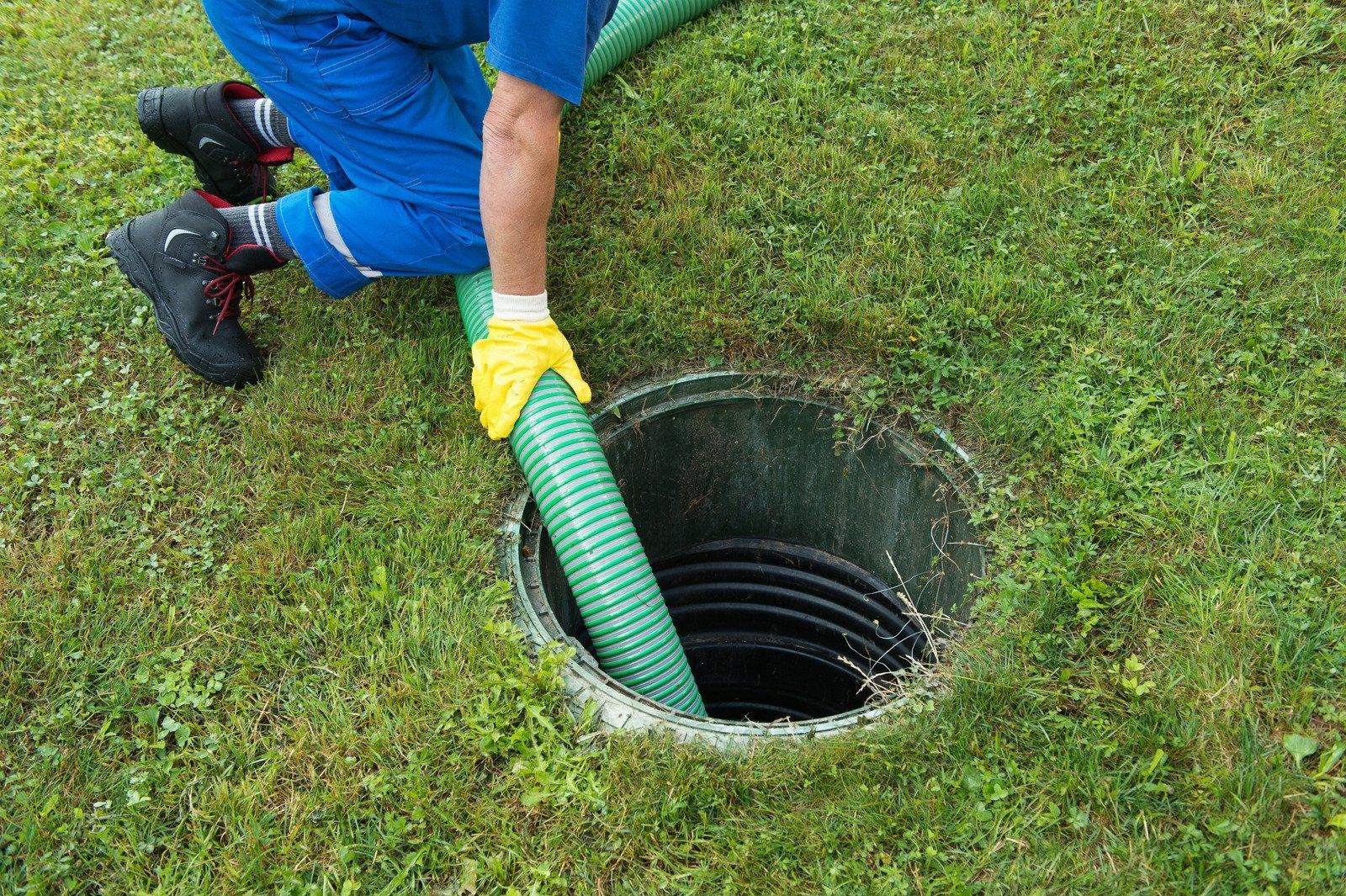
Professional septic evaluation techniques include sludge level measurement, pipe integrity testing, and flow rate analysis to assess system health accurately. Routine inspections using these methods provide deeper insights into system performance, identify hidden issues, and support informed maintenance decisions for reliable and efficient system operation.
Long-Term System Reliability and Performance Optimization
Ensuring Consistent Efficiency
A septic system operates most effectively when all components work in harmony, ensuring smooth wastewater flow, proper filtration, and balanced treatment processes. Routine inspections maintain this harmony by identifying inefficiencies early and restoring optimal performance, ensuring long-term efficiency and preventing system disruption or failure.
Reducing System Downtime
Unexpected septic system failures can disrupt daily household operations and property usability. Routine inspections minimize downtime by detecting issues early and enabling preventive maintenance before breakdown occurs. This proactive approach ensures continuous system availability, reduces inconvenience, and maintains smooth wastewater management without interruption or service delays.
Enhancing Property Value
A well-maintained septic system significantly enhances property value by demonstrating proper upkeep and reducing future maintenance risks. Routine inspections provide documented maintenance history that increases buyer confidence and improves marketability. A reliable wastewater system reflects responsible ownership and ensures long-term structural and environmental stability.
Supporting Long-Term Infrastructure Stability
Septic systems are long-term infrastructure investments that require ongoing care to maintain structural integrity and operational efficiency. Routine inspections help detect wear, prevent system degradation, and ensure all components function properly. This consistent oversight supports durability, reduces major failures, and maintains stable wastewater treatment performance over time.
Expert Maintenance Solutions For Reliable Wastewater Management
Routine septic tank inspections are essential for maintaining system efficiency, preventing costly repairs, and protecting environmental and public health. By identifying issues early, ensuring proper waste flow, and maintaining structural integrity, inspections support long-term reliability and performance. A well-monitored system operates more efficiently, reduces emergency breakdowns, and extends overall lifespan significantly.
Consistent maintenance also helps avoid contamination risks and ensures that drainage systems function within safe operational limits. Property owners who prioritize inspections benefit from reduced repair expenses and improved system stability over time. A proactive approach to septic care ultimately safeguards both infrastructure and environment, making it a critical part of responsible property management.
Simply Rooter and Septic, operating within the Phoenix Metropolitan Area, Arizona, brings over 25
years of experience in septic system installation and repair services. The focus remains on delivering dependable solutions that support long-term system health and performance. With extensive industry knowledge and a commitment to quality workmanship, reliable septic system care is ensured for residential and commercial properties alike.