What Happens During a Professional Septic Tank Inspection?
You noticed a faint odor near the backyard last week and dismissed it. Now the grass over your drain field looks greener and thicker than everything around it, and your toilets are draining a little slower than usual. These are not random coincidences. They are your septic system communicating with you, and a professional inspection is the fastest way to understand what it is saying before a minor warning becomes a full system failure.
A septic tank inspection is not a simple glance through the lid. A thorough inspection covers the tank condition, the inlet and outlet baffles, the scum and sludge layers, the distribution box, and the drain field absorption capacity. Skipping any one of these components leaves you with an incomplete picture, and incomplete pictures lead to expensive surprises. After inspecting hundreds of systems in the Phoenix area, we consistently find that the inspections homeowners delay the longest are the ones that uncover the most serious conditions.
What Technicians Actually Check During a Septic Inspection
A professional septic inspection follows a specific sequence, and every step builds on the last. Here is the order we follow and why each component matters.
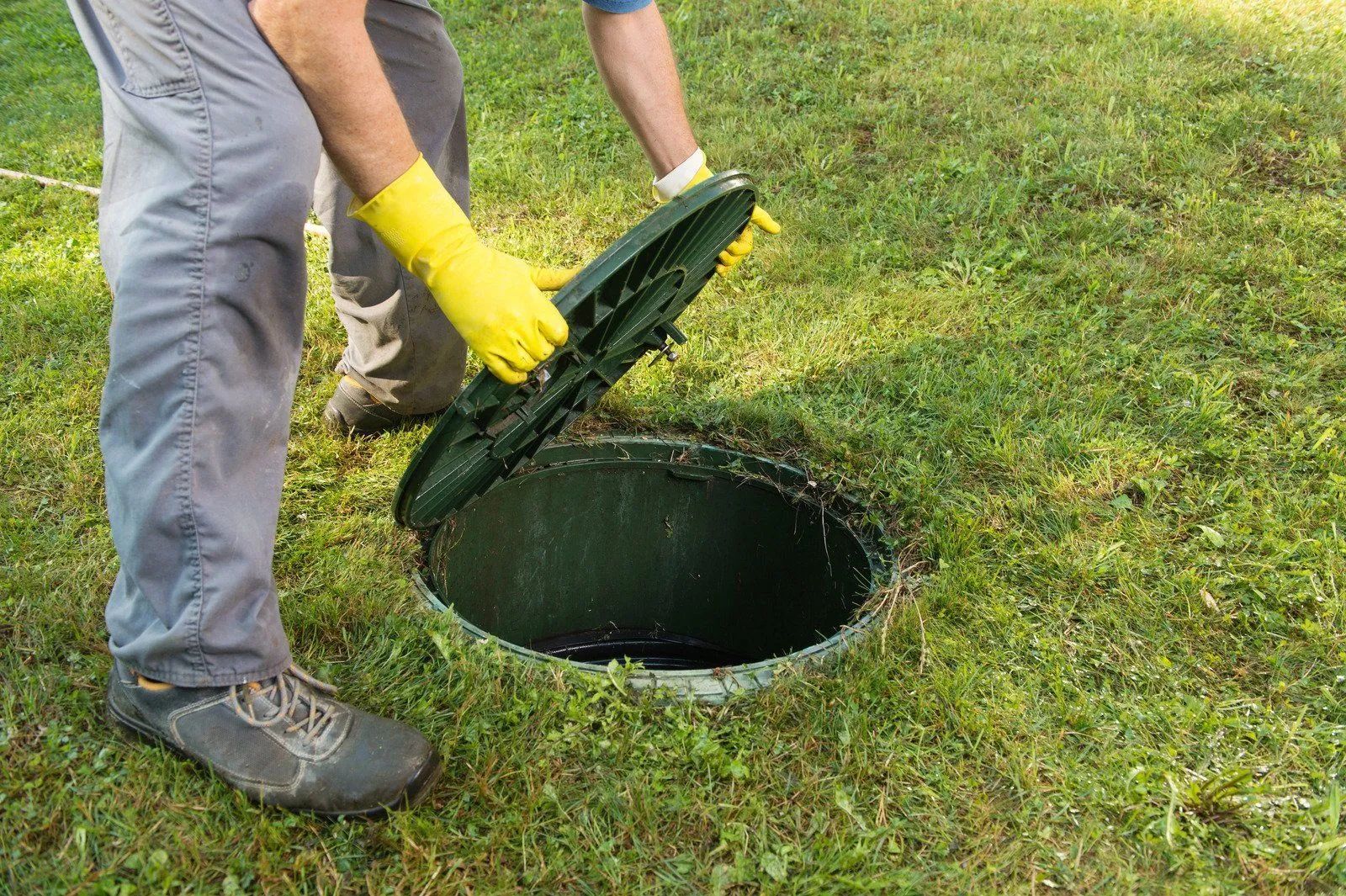
1. Locate and expose the tank lids
Most tanks have two lids: one over the inlet side and one over the outlet. We locate both using records or a soil probe, then uncover them for full access. If your tank has never been pumped or inspected, the lids are sometimes buried under 12 to 18 inches of soil in older Phoenix properties.
2. Measure sludge and scum layers
We use a sludge judge or calibrated measuring tool to record the depth of the solid sludge layer at the bottom and the floating scum layer at the top. When the combined layers consume more than one third of the tank's total volume, the tank needs pumping. In Arizona's high heat, organic breakdown happens faster than in cooler climates, but tanks serving three or more people still accumulate solids at a rate that requires pumping every 3 to 5 years on average.
3. Inspect inlet and outlet baffles
The baffles direct flow and prevent solids from escaping into the drain field. A cracked or missing outlet baffle is one of the most common findings we see in the Phoenix metro. When the baffle fails, solids migrate directly into the drain field and clog the soil absorption zone. This is the mechanical cause behind most premature drain field failures.
4. Check the tank structure
We examine the tank walls, lid seals, and riser connections for cracks, separation, or infiltration points where groundwater or surface runoff can enter. In areas with expansive clay soils, which are common across parts of Maricopa County, seasonal soil movement puts repeated stress on concrete tank walls and can cause hairline fractures over time.
5. Evaluate the distribution box and drain field
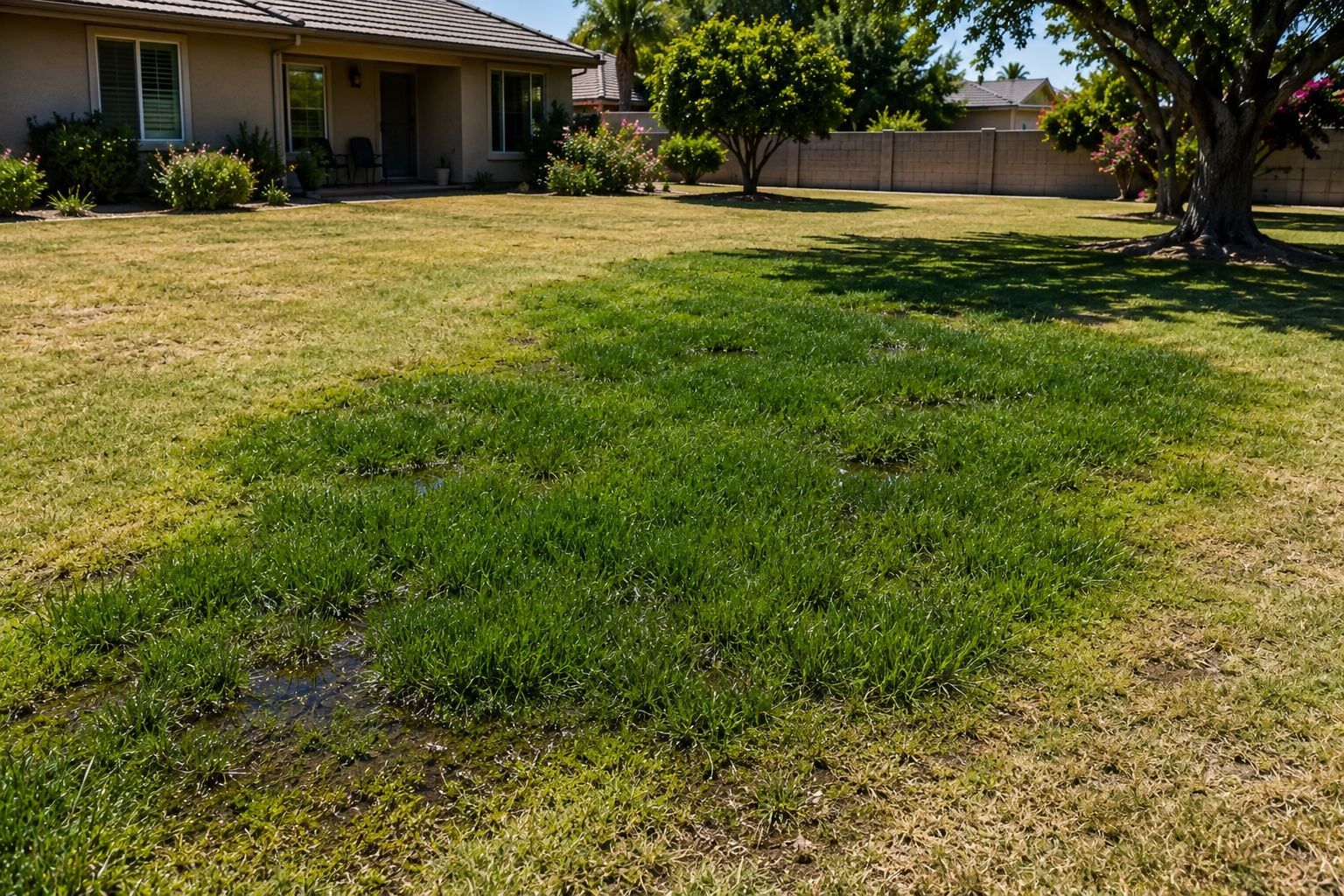
The distribution box routes effluent evenly across the drain field trenches. An uneven or collapsed distribution box overloads one trench while starving others, which accelerates failure. We check the drain field surface for saturation, standing effluent, or the kind of unusually lush vegetation that signals liquid waste reaching the surface.
WARNING: If you observe sewage pooling on the ground surface, a strong sulfur odor coming from the soil, or sewage backing up into multiple fixtures simultaneously, stop using the system and call a licensed septic contractor immediately. Raw sewage exposure creates serious health hazards including contact with pathogens such as E. coli and hepatitis A. Do not attempt to open the tank yourself.
TIP:
Before your inspection appointment, note which fixtures drain slowest and whether the slow drainage affects one fixture or multiple at once. A single slow drain usually points to a plumbing blockage. Multiple slow drains at the same time point to the septic tank or drain field. That distinction takes 30 seconds to observe and saves diagnostic time during the inspection
Symptom and Cause Reference Table
| What You Are Seeing | Most Likely Cause | Severity | First Step |
|---|---|---|---|
| Slow drains throughout the house | Full tank or clogged outlet baffle | High | Schedule inspection and pumping |
| Lush green grass over drain field | Effluent surfacing from saturated soil | High | Reduce water use and call a technician |
| Sewage odor inside the home | Dry P-traps or damaged inlet baffle | Medium | Run water in unused drains, then inspect baffle |
| Sewage odor in the yard | Drain field saturation or cracked tank lid | High | Stop water use and call for inspection |
| Gurgling sounds after flushing | Partial blockage in outlet line or full tank | Medium | Inspect tank level before any other repair |
| Standing water near tank area | Cracked tank wall or lid seal failure | High | Do not walk over area; call immediately |
| Frequent pump-outs needed | Oversized household water use or undersized tank | Medium | Audit daily water consumption and tank capacity |
| No issues but over 3 years since last service | Sludge accumulation not yet symptomatic | Low | Schedule routine inspection and pumping |
Septic System Maintenance by Frequency
Every 3 to 5 years
Professional inspection and pumping. Adjust frequency downward if your household exceeds five people or includes a garbage disposal, which adds significant solids load.
Annually
Walk the drain field area and note any changes in vegetation patterns, odors, or soil saturation. Check all riser lids and access covers for cracks or displacement.
Seasonally (post-monsoon)
Inspect the drain field and tank area for signs of water intrusion or soil shifting after heavy rain events. Phoenix's monsoon season runs roughly July through September, and that is when surface water infiltration problems appear.
Ongoing
Avoid parking vehicles or placing heavy objects over the tank or drain field. Root intrusion from landscaping is one of the more preventable causes of baffle and pipe damage we encounter on service calls.
Common Mistakes That Accelerate Septic Failure
Using too much water in a short period
Doing five loads of laundry in a single day floods the tank with water faster than the drain field can absorb it. Spread water-intensive tasks across multiple days.
Flushing non-biodegradable wipes
Products labeled "flushable" do not break down in septic tanks. They accumulate, compress into the sludge layer, and reduce effective tank volume faster than organic waste alone. On service calls in the Phoenix metro, we regularly find compressed wipe masses blocking outlet pipes.
Adding septic additives as a substitute for pumping
Enzyme and bacterial additives are marketed as tank treatments that reduce the need for pumping. There is no peer-reviewed evidence that they extend pump intervals. If the sludge level exceeds the threshold, the tank needs pumping regardless of what has been added.
Planting trees near the drain field
Root systems from mesquite, citrus, and oleander, all common in Phoenix landscaping, aggressively seek moisture and can infiltrate drain field pipes within a few years of planting.
Simply Rooter and Septic Inspects Phoenix Systems Thoroughly
A septic inspection follows a clear sequence, and every step builds on the one before it. Skipping the process or delaying service in the Phoenix area carries more risk than in many other regions because Arizona's soil movement, monsoon moisture cycles, and high use rates can accelerate failure between service intervals. Simply Rooter and Septic has served the Phoenix metropolitan area for 25 years and provides professional septic inspections, pumping, and repair across the Phoenix metropolitan area, Arizona. If your system is showing any of the symptoms described in this article, or if you simply cannot remember the last time it was serviced, contact Simply Rooter and Septic to schedule an inspection before a manageable condition becomes a costly one.
FAQs
How long does a professional septic tank inspection take?
A thorough inspection typically takes 1 to 2 hours depending on tank access and components to evaluate. Systems with buried lids or multiple tanks take longer. We recommend combining the inspection with pumping when due, since both require the same access point.
Can I stay home during the inspection or do I need to leave?
You can stay home, and in most cases it helps. Homeowners present can point out slow fixtures, odors, and recent plumbing work. That context shortens diagnostic time. Keep clear of the immediate tank area while lids are open for safety and to give the technician working room.
How do I know if my drain field is failing versus just stressed?
Stressed drain fields recover after reducing water use and giving soil time to drain. A failing drain field does not recover. If standing water or odors persist beyond 5 to 7 days after cutting water use by half, professional evaluation and possible drain field remediation are needed.
Are there Phoenix area regulations I need to know about before scheduling an inspection?
Yes. Maricopa County Environmental Services requires permits before any septic modification, repair, or replacement. If selling a property with a septic system, an inspection report may be required. We advise on documentation needs based on your property age, system type, and the scope of work planned.
What is the difference between a septic inspection and a septic pumping?
Pumping removes accumulated solids from the tank. Inspection evaluates the structural and functional condition of all system components. A pump-out without an inspection only confirms the tank is empty. We recommend both together since pumping is required to accurately inspect interior walls and the outlet structure.