So ggy Ground or a Lush Green Patch Over Your Leach Field? What's Surfacing
5. Evaluate the distribution box and drain field
Enzyme and bacterial additives are marketed as tank treatments that reduce the need for pumping. There is no peer-reviewed evidence that they extend pump intervals. If the sludge level exceeds the threshold, the tank needs pumping regardless of what has been added.
Quick Answer: A soggy, spongy, or vividly green patch over your leach field usually means treated wastewater is no longer soaking into the soil the way it should and is pushing back toward the surface. The most common reason is a clogged biomat layer sealing off the trench walls, but overloading, a high water table, crushed lines, or compacted ground can all force effluent up. Because that surfacing water can carry untreated waste, the safe move is to keep people and pets off it, stop adding water, and have the field diagnosed rather than covered over.
You walk the back of your lot on a dry desert morning and one stretch of ground feels different under your boots. The dirt is dark and spongy where everything around it is bone dry, or a rectangle of grass and weeds is growing thick and green while the rest of the yard is sun-baked. Maybe there is a faint sour smell when the breeze dies down. There has not been rain in weeks, so none of this adds up, and the shape of it lines up roughly with where you know the leach field runs.
That patch is trying to tell you something, and it is worth listening to. A leach field is designed to move treated wastewater out of the septic tank, spread it through buried trenches, and let it filter down through the soil quietly and out of sight. When that water starts showing up at the surface instead, the system has lost its ability to absorb what you are sending it. In a dry climate where the ground should be soaking up every drop, a soggy or lush patch stands out precisely because it is an anomaly. Here is what is actually surfacing, why it happens, and what a specialist looks for before deciding what to do about it.
Why a Green or Soggy Patch Shows Up at All
The color and the moisture are two sides of the same problem, and both point back to effluent that is not going where it should.
The nitrogen connection
Septic effluent contains nitrogen, a nutrient that promotes vigorous plant growth. When wastewater rises close to the surface, grass and weeds above the drain field often become darker green and grow faster than surrounding vegetation. Greener growth alone is not necessarily a problem, but when it appears alongside soggy soil, standing water, or sewage odors, it usually indicates the field is no longer treating wastewater properly.
The saturation connection
A persistently soft or soggy drain field during dry weather is a strong warning sign of septic failure. Healthy soil should remain unsaturated so wastewater can filter downward. When the ground stays wet without rainfall, the soil has lost its ability to absorb effluent, forcing wastewater upward. In the East Valley's hot, dry climate, a damp patch that persists on its own deserves prompt professional evaluation.
What Is Actually Surfacing Underground
The patch is the symptom. The cause is almost always one of a handful of things happening in the trenches below.
A clogged biomat is the usual culprit
A thin biomat naturally forms around every leach trench and helps filter wastewater before it enters the soil. When the field becomes oxygen-starved, that layer thickens into a nearly waterproof barrier, blocking soil pores. Wastewater can no longer soak in, causing it to collect, back up, and eventually surface.
Too much water, too fast
Every drain field is designed to handle a specific daily wastewater volume. Running toilets, leaking plumbing, frequent laundry, or extra household guests can overload the system. When more water enters than the soil can absorb, the trenches become saturated and wastewater begins surfacing above the field.
Water arriving from the wrong direction
A leach field must manage wastewater, not excess surface water. Roof runoff, irrigation, poor yard grading, or stormwater flowing across the area saturates the soil from above. Once the ground is already full of outside water, it cannot absorb septic effluent effectively, increasing the likelihood of surfacing wastewater.
Crushed lines and compacted soil
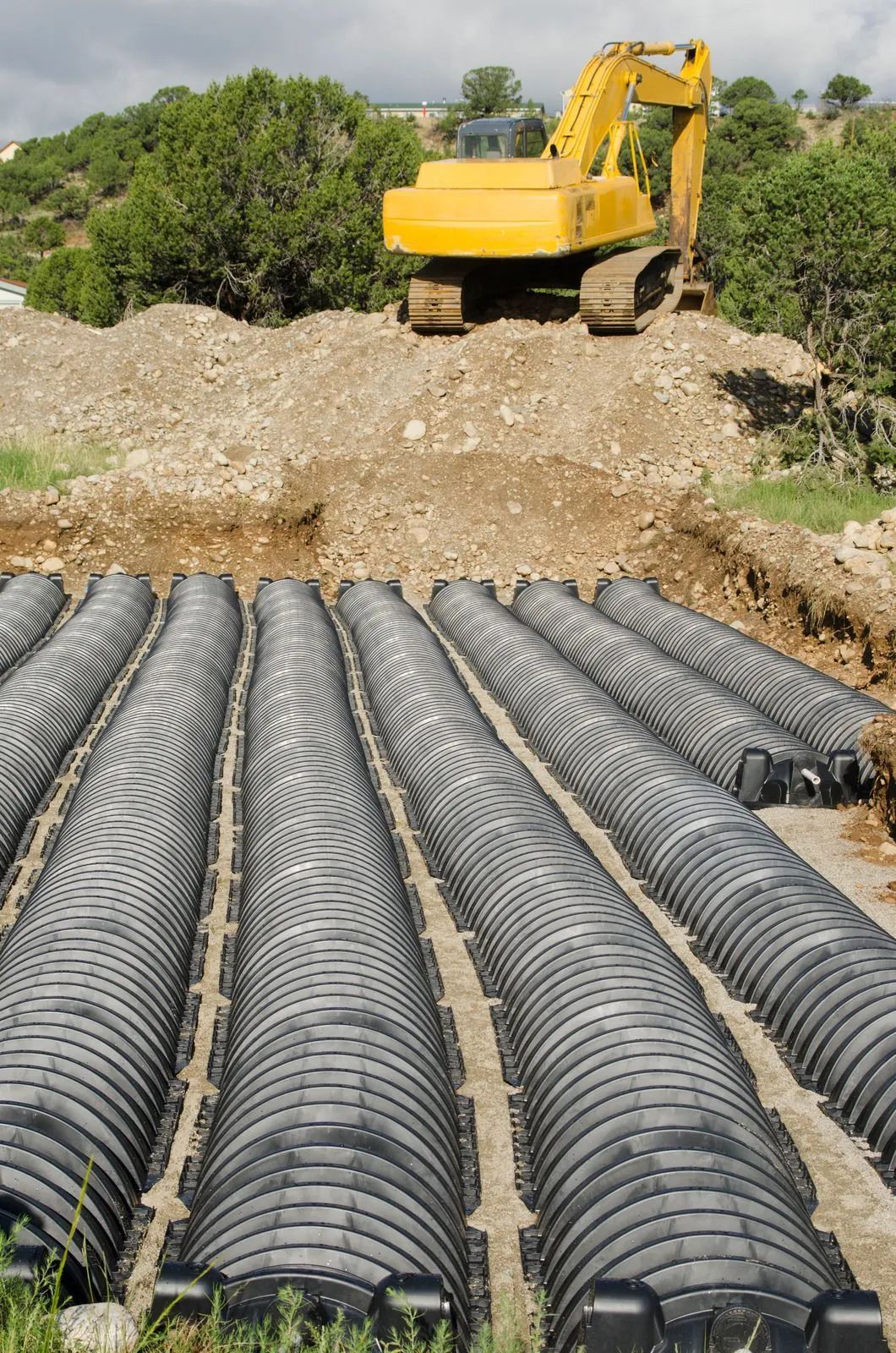
Heavy vehicles, construction equipment, or structures placed over a drain field can crush distribution pipes and compact the surrounding soil. Reduced pore space prevents proper drainage while damaged pipes create backups. In areas with dense caliche soils, even minor compaction can quickly trigger wastewater surfacing problems.
A high or perched water table
When groundwater or a perched moisture layer rises close to the trench bottoms, the dry soil needed for wastewater treatment disappears. Without enough unsaturated soil beneath the field, effluent cannot filter or disperse properly, forcing wastewater upward even when the septic tank itself is functioning correctly.
TIP:
Before you call anyone, note three things about the patch: whether it stays wet on its own with no recent rain, whether it smells sour or like rotten eggs, and whether indoor drains have gone slow or gurgly at the same time. Those three observations together tell a specialist far more than the wet spot alone and help point the diagnosis at the tank, the lines, or the soil.
The Desert Puts Its Own Spin on the Problem
The same failure looks different on a large rural lot in Maricopa or Pinal County than it does in a wetter part of the country, and those differences matter.
Caliche changes the math
Much of the region sits over hard caliche, which restricts water movement through the soil. Because leach fields have less absorbent soil beneath the trenches, even small clogs, heavy water use, or minor drainage issues can quickly cause wastewater to surface.
Low rainfall makes the patch obvious
Desert conditions make persistent wet spots easy to notice. When a patch of ground stays green or soggy despite weeks without rain, it strongly suggests wastewater is reaching the surface, providing an early warning before more serious septic problems develop.
Heat and evaporation mask the smell, then reveal it
High temperatures and dry air often disperse septic odors during the day. The smell may become noticeable only in the morning, evening, or when the wind changes, making intermittent odors an important sign that should not be ignored.
What a Specialist Checks Before Deciding Anything
Because so many different faults produce the same wet patch, guessing is a poor strategy. A proper diagnosis works from the house outward and rules causes in or out by measurement rather than assumption.
The tank comes first
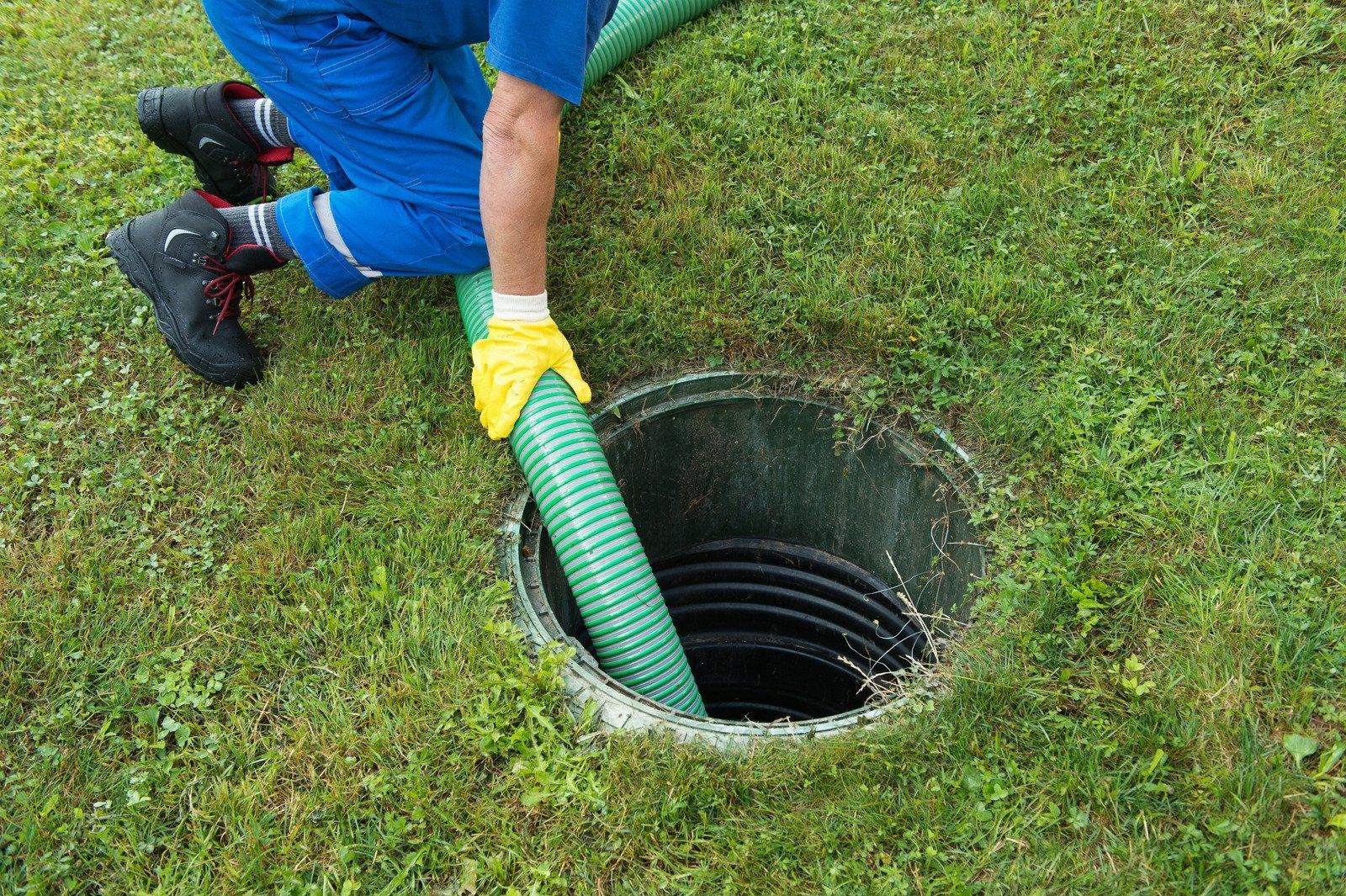
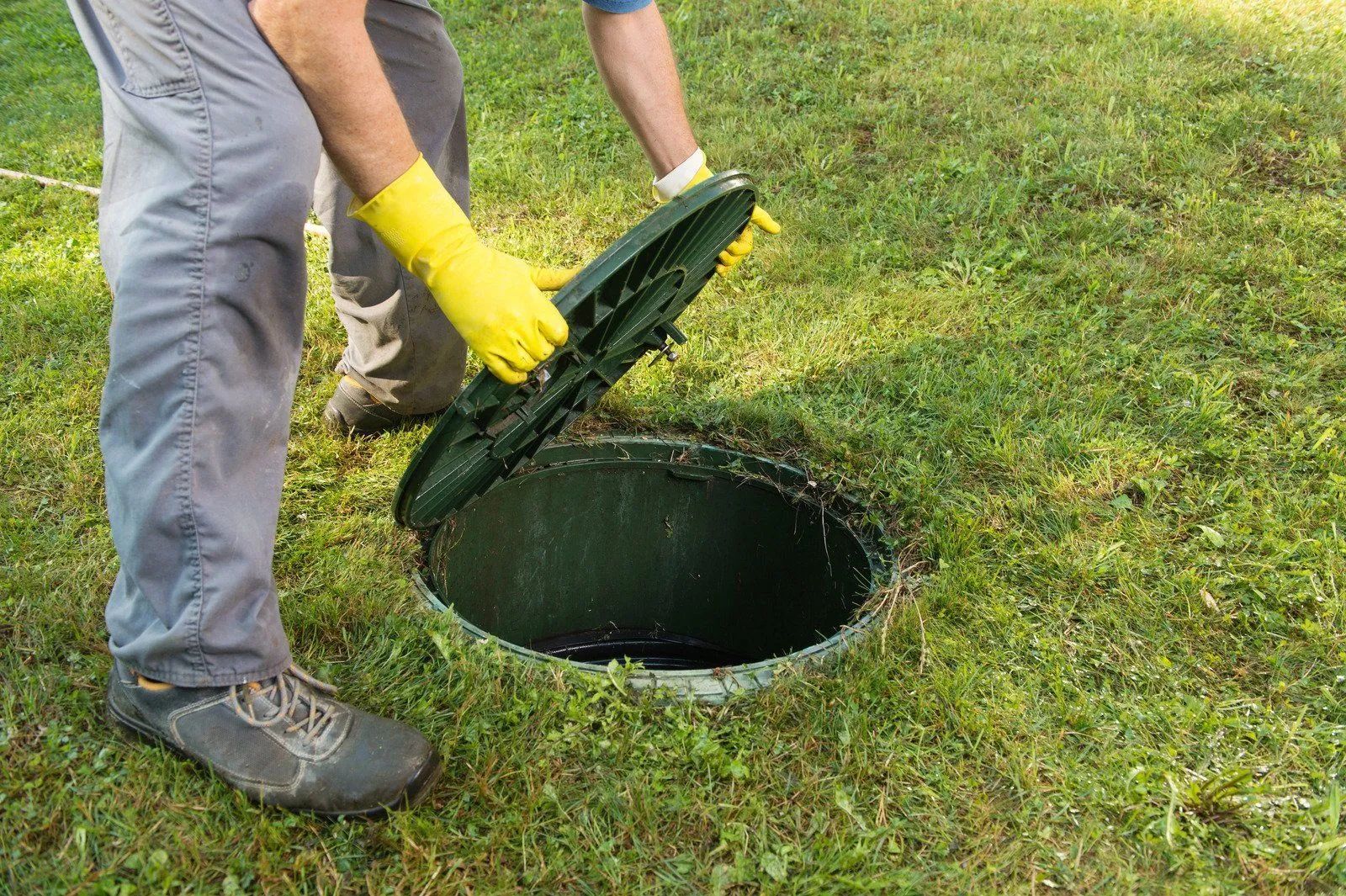
A field often surfaces because solids have escaped the tank and started clogging the trenches. Checking the sludge and scum levels, the outlet baffle, and the effluent filter shows whether the tank is doing its job of keeping solids out of the field. A tank overdue for service or a failed baffle can send solids downstream and choke a field that was otherwise healthy.
The lines get inspected, sometimes with a camera
Running a camera through the solid lines and leach piping reveals crushed sections, root intrusion, sags, or collapsed pipe that would trap water and force it up at a specific spot. This separates a mechanical problem, which is often repairable, from a soil problem, which needs a different approach.
The soil and trenches get read
A specialist evaluates whether the field is ponding, whether the biomat has sealed the soil interface, and whether groundwater is impacting the trenches. A small test excavation can show the tell-tale dark, anaerobic slime coating the trench walls that confirms a biological clog rather than a simple overload.
The water budget gets reviewed
Sometimes the fix starts indoors. Finding a running toilet, correcting drainage that dumps onto the field, or spreading out heavy water use can take enough load off a marginal field to let it recover. A good diagnosis looks at how much water the field is being asked to absorb, not just the field itself.
Any specifics about what a repair or replacement must meet in your area are set by the county health department, and their environmental health staff are the right authority to confirm those requirements. The technical job on the ground is figuring out exactly why the water is surfacing and what will actually move it back below the surface for good.
WARNING:
Never solve a surfacing leach field by shoveling more dirt over the wet spot. That water can carry untreated sewage and the pathogens that come with it, and burying it only hides the hazard while pushing waste back toward your house. Keep children and pets off the area, rope or flag it if you can, avoid direct contact with the surfacing water, and treat it as a health issue until it is properly diagnosed and corrected.
Frequently Asked Questions
Is a green patch over the leach field always a problem?
Not always. A slightly greener strip can result from nutrients in treated effluent. It becomes concerning when the grass is also soggy, foul-smelling, or paired with slow drains indoors, especially after long periods without rainfall.
Why is the ground wet when it has not rained in weeks?
Dry weather with persistent wet ground often means wastewater is surfacing from below. When the soil can no longer absorb effluent, it rises through the ground instead of filtering properly, signaling the drain field needs inspection.
Can a surfacing leach field be fixed without replacing the whole thing?
Yes, sometimes. Repairs may only involve clearing blockages, fixing damaged pipes, or reducing overload. If the soil or trenches are permanently clogged or worn out, partial or complete drain field replacement may be necessary.
Does the smell mean the problem is serious?
A sewage odor suggests the system is not processing wastewater efficiently. While wind or venting can occasionally cause odors, smells combined with wet soil or slow drains usually indicate a problem requiring prompt professional evaluation.
What makes leach fields fail faster in the desert?
Hard caliche soil, limited drainage, heavy household water use, soil compaction from vehicles, and extreme heat reduce the field's ability to absorb wastewater. These conditions can shorten the lifespan of desert septic drain fields.
What should I do the moment I notice a soggy patch?
Keep people and pets away from the area, reduce indoor water use, and check for leaking fixtures. Avoid covering the wet spot with soil, and schedule a professional inspection to identify and correct the underlying cause.
Reading the Warning Before It Reaches the House
A soggy or unusually green patch over your leach field is the system raising its hand. Somewhere below, treated wastewater has stopped soaking away and started climbing back toward daylight, whether from a clogged biomat, an overloaded field, damaged lines, or soil that has run out of room. In the desert, where the ground should be pulling moisture down, a patch that stays wet on its own is an early and honest warning, and the worst response is to bury it and hope. Keeping the area off-limits, easing the water load, and getting a real diagnosis turns a mysterious wet spot into a solvable problem before it ever backs up into your tubs and toilets. The surface is giving you an early, readable warning, and an experienced eye can trace it back to the true cause underground before the damage spreads.
Schedule a leach field diagnosis
— Book an on-site evaluation of your soggy or unusually green patch. A specialist checks the tank levels and baffle, runs a camera through the lines to rule out crushed pipe or root intrusion, reads the trench soil and biomat to determine whether the issue is a clog, hydraulic overload, or a saturated drain field, and reviews your household water use so you get the real cause instead of a guess. Backed by 25
years of experience, Simply Rooter and Septic
provides honest assessments and true 24/7 emergency response for homeowners throughout the Phoenix Metropolitan Area, Arizona. Reach out today to identify the problem and get the water back below the surface where it belongs.