How Often Should You Pump Your Septic Tank in Arizona? A Homeowner’s Guide
Septic system maintenance is one of the most critical yet often overlooked responsibilities for homeowners in Arizona. With the region’s dry climate, shifting soil conditions, and heavy reliance on private wastewater systems in many residential areas, understanding septic tank pumping frequency is essential for preventing costly failures. A properly maintained septic system ensures safe wastewater treatment, protects groundwater quality, and supports long-term property value. When pumping schedules are ignored, the risk of system backups, foul odors, and drain field damage increases significantly, leading to expensive repairs that could have been avoided.
Arizona homeowners face unique environmental and usage conditions that directly influence how often septic tanks require servicing. High temperatures accelerate bacterial activity and water evaporation, while sudden monsoon rains can disrupt soil absorption levels. Household size, water usage habits, and tank capacity also play a major role in determining maintenance schedules. Establishing a clear understanding of these factors helps homeowners make informed decisions and avoid unexpected system breakdowns. This guide provides a detailed breakdown of septic pumping frequency, warning signs of system overload, Arizona-specific challenges, and best maintenance practices to ensure a reliable and efficient septic system year-round.
Understanding Septic Pumping Needs in Arizona
Climate Influence on Septic Systems
Arizona’s extreme heat and arid environment place unique stress on septic systems. High temperatures increase water evaporation rates in the drain field, which can temporarily alter how wastewater disperses. Soil in desert regions tends to be compact and less absorbent, affecting filtration efficiency. These conditions make routine pumping more important compared to moderate climates, where soil and moisture levels remain more stable throughout the year.
Household Usage Patterns
Water consumption habits significantly impact how quickly a septic tank fills. Homes with frequent laundry cycles, large families, or high water-use appliances generate more wastewater over time. This accelerates sludge buildup at the bottom of the tank gradually. Consistent monitoring of usage patterns helps determine whether standard pumping intervals are sufficient or need adjustment based on actual household demand and daily water usage behavior.
Tank Size and System Design
Septic tanks vary in size, and capacity directly affects maintenance frequency. Smaller tanks fill faster and require more frequent pumping, while larger systems offer extended intervals between service visits in many cases. However, system design, including drain field size and soil type, also influences overall performance and maintenance requirements over the long term for consistent system reliability and efficiency.
Recommended Pumping Frequency Guidelines
Standard Pumping Intervals
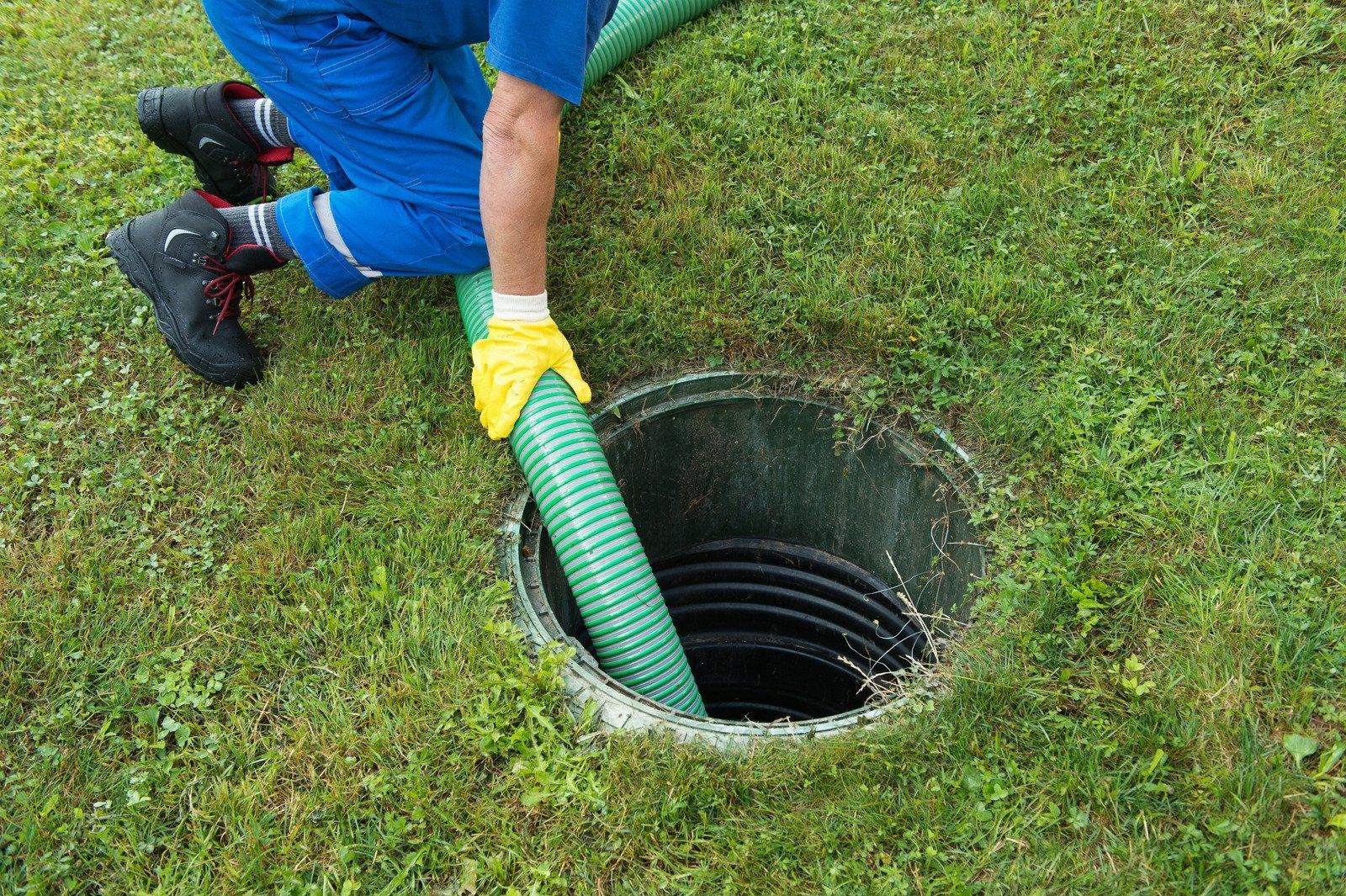
Most residential septic systems in Arizona require pumping every 2 to 5 years as a general recommendation. This range depends on multiple variables, including household size and tank capacity in real-world applications. Regular pumping prevents excessive sludge accumulation, which can reduce system efficiency and lead to blockages in the drain field, potentially causing costly system failure if maintenance is delayed.
Household Size Considerations
A higher number of occupants results in increased wastewater production over time. For example, a small household of one or two individuals may extend pumping intervals closer to five years, while larger families may require servicing every two to three years. Monitoring water usage patterns helps refine this schedule more accurately, ensuring maintenance aligns with actual system demand and usage levels.
Tank Capacity Impacte Buildup
Tank size plays a major role in determining pumping frequency in all systems. A 1,000-gallon tank typically requires more frequent maintenance than a 1,500-gallon system under similar usage conditions in residential environments. Understanding system specifications helps homeowners establish realistic maintenance expectations and avoid premature system failure, ensuring long-term efficiency and reducing the risk of unexpected breakdowns over time.
Warning Signs Your Septic Tank Needs Pumping
Gurgling Sounds in Plumbing
Unusual gurgling noises from pipes or toilets often indicate air trapped due to sludge buildup within household plumbing systems during early warning stages. This symptom suggests reduced flow efficiency and signals that the septic tank is nearing full capacity. Such sounds are often one of the first noticeable indicators that maintenance or pumping may soon be required.
Arizona-Specific Environmental Challenges
Soil Composition and Drainage Limitations
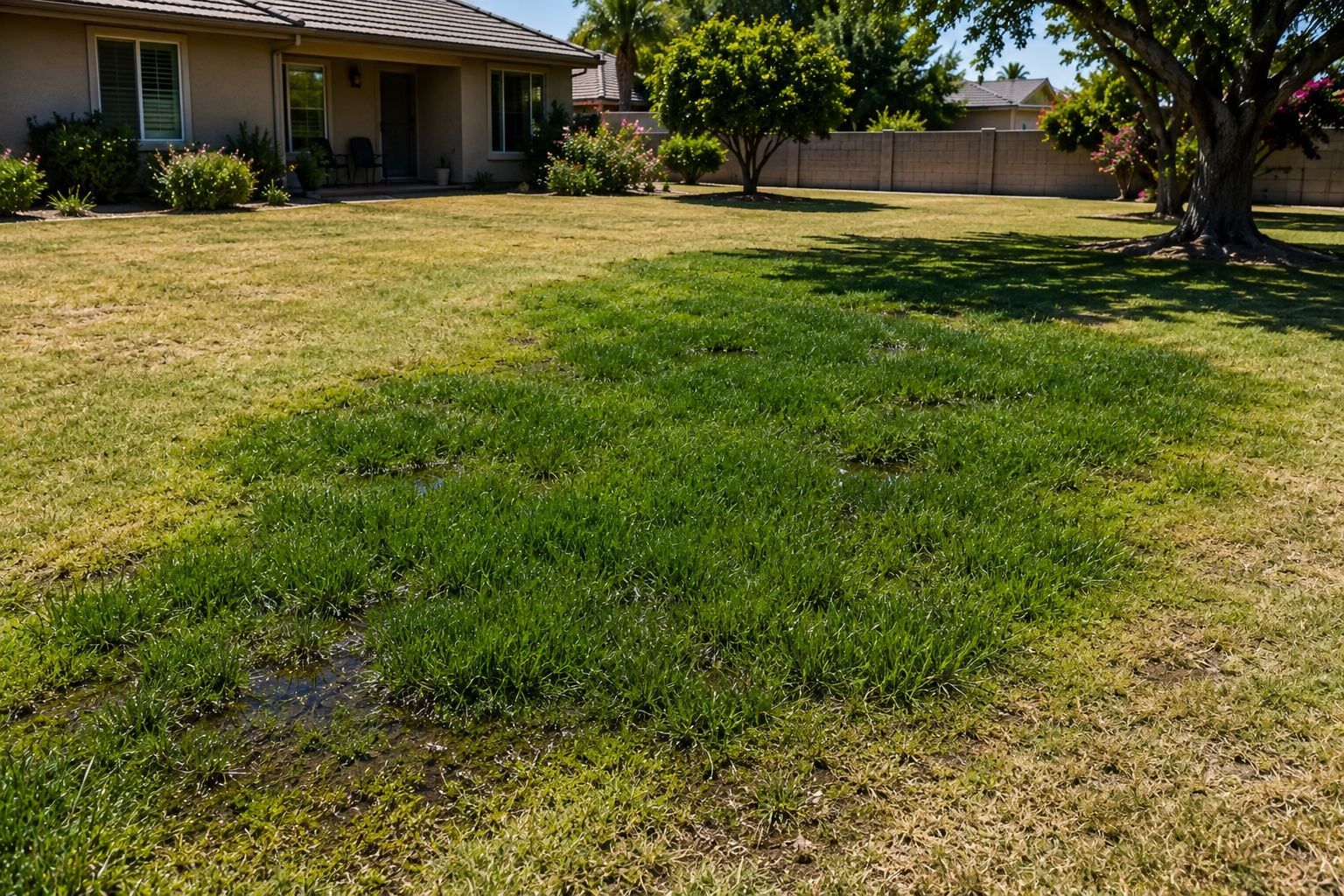
Many areas in Arizona feature compact, sandy, or rocky soil that affects wastewater absorption rates across various rural and suburban regions. Poor drainage can place additional pressure on septic systems, making timely pumping essential to prevent saturation and system failure. These soil conditions often increase maintenance sensitivity, especially during seasonal changes and heavy water usage periods throughout the year.
Extreme Heat Effects on System Performance
High temperatures accelerate microbial activity inside the tank, increasing breakdown rates of solid waste within septic biological processes. While this may seem beneficial, it can also lead to faster sludge accumulation, requiring more frequent maintenance compared to cooler climates. Extended exposure to heat conditions can further influence system balance and overall operational efficiency over time.
Monsoon Season Impact
Seasonal heavy rainfall during monsoon periods can overwhelm drain fields and reduce soil absorption capacity across affected drainage zones. Excess water in the system may push solids toward the outlet, increasing the risk of clogs and system overload if pumping is delayed. These weather conditions create unpredictable strain on septic systems requiring careful monitoring.
Ground Shift and Structural Stress
Dry soil conditions combined with occasional heavy rainfall can cause ground shifting, especially in arid desert environments over time. This movement may affect pipe alignment and tank stability, increasing the importance of regular inspections alongside pumping schedules. If not addressed promptly, such shifts can lead to long-term structural inefficiencies and costly system repairs.
Best Maintenance Practices to Extend Pumping Intervals
Water Conservation Habits
Reducing water usage is one of the most effective ways to extend septic pumping intervals, particularly in high-usage households with daily routines. Installing low-flow fixtures, fixing leaks promptly, and spreading out laundry loads help minimize system strain and slow sludge buildup. These practices contribute significantly to maintaining long-term septic efficiency and reducing unnecessary maintenance frequency.
Proper Waste Disposal Practices
Avoiding non-biodegradable materials such as wipes, grease, and hygiene products prevents unnecessary accumulation inside the tank commonly found in household drainage systems. Only wastewater and septic-safe materials should enter the system to maintain proper breakdown efficiency. Proper disposal habits help prevent blockages and extend the overall lifespan of the septic system significantly over time.
Routine Inspections and Monitoring
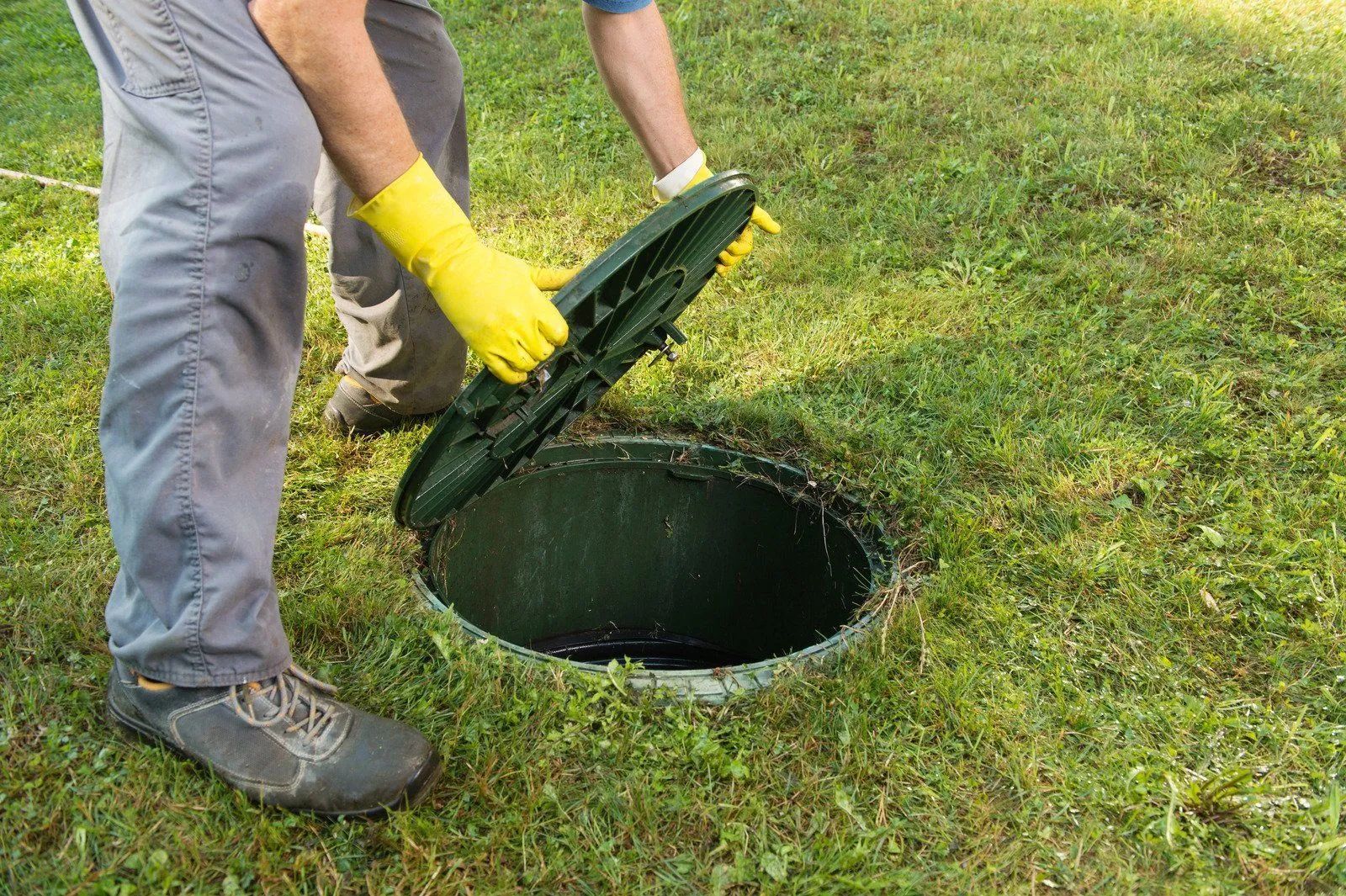
Regular professional inspections help identify early warning signs of system stress within septic maintenance programs consistently applied across residential systems. Monitoring sludge levels ensures pumping is scheduled before overflow occurs, reducing the risk of emergency repairs and costly damage. Routine evaluation supports long-term reliability and ensures the system continues functioning efficiently without unexpected disruptions or failures.
Landscaping Considerations
Planting trees and shrubs away from the drain field prevents root intrusion, which can damage underground pipes and reduce system efficiency in residential outdoor areas. Maintaining clear access to the septic area also supports easier maintenance and inspection processes. Proper landscaping choices contribute to system longevity and help avoid unnecessary structural damage caused by uncontrolled root growth.
Professional Septic Support You Can Rely On
At Simply Rooter and Septic, septic system reliability is built through decades of hands-on expertise in installation, repair, and maintenance across the Phoenix Metropolitan Area. Every service approach is grounded in precision, technical understanding, and a commitment to long-term system performance. Septic pumping schedules are evaluated based on real field conditions, not assumptions, ensuring each property receives the exact level of care required for optimal function. Arizona’s climate demands specialized knowledge, and every inspection, service call, and maintenance recommendation is designed to address local soil behavior, heat conditions, and system load demands.
Septic failures often begin quietly, which is why proactive service plays a critical role in preventing major disruptions. Advanced diagnostic methods and systematic evaluation techniques are used to identify buildup levels, drainage efficiency, and structural integrity before issues escalate. This approach supports homeowners in avoiding unnecessary repairs while extending system lifespan.
With 25
years of industry experience, Simply Rooter and Septic
continues to deliver dependable septic system installation and repair solutions tailored to Arizona’s unique environmental conditions. Every project is handled with a focus on accuracy, safety, and long-term functionality, ensuring homeowners receive consistent performance from their septic systems year after year.