Factors to Consider Before Installing a Septic System in Arizona’s Desert Climate
Installing a septic system in Arizona is not a routine construction task. The desert climate presents unique environmental, geological, and regulatory challenges that demand careful planning and informed decision-making. From extreme heat and arid soil conditions to water conservation concerns and local permitting requirements, every factor plays a critical role in determining whether a septic system will function reliably for decades or become a costly liability. Understanding these variables before installation is essential for property owners, builders, and developers seeking long-term performance and compliance.
As population growth continues across Arizona’s rural and semi-urban regions, septic systems remain a practical wastewater solution where municipal sewer access is limited. However, desert environments place significant stress on system components, soil absorption rates, and biological processes. Choosing the wrong design, materials, or location can result in system failure, groundwater contamination, or repeated repairs. This blog explores the most important factors to evaluate before installing a septic system in Arizona’s desert climate, providing practical insights to help property owners make informed, responsible decisions while protecting their investment and the surrounding environment.
1. Understanding Desert Soil Composition and Its Impact
Soil Types Common in Arizona
Arizona’s desert soils vary significantly and often include caliche layers, sandy loam, gravel deposits, and expansive clay formations across different regions. Each soil type directly affects wastewater absorption, filtration, and long-term septic performance. Sandy soils allow rapid drainage but may fail to properly filter contaminants before reaching groundwater. Clay soils absorb slowly, increasing saturation and backup risks. Caliche and gravel layers can restrict vertical percolation, forcing wastewater to spread laterally, which complicates drain field design and increases failure potential without proper evaluation during professional septic planning and installation phases.
Importance of Soil Percolation Testing
A soil percolation test measures how quickly water moves through the ground, helping determine whether the soil can safely absorb treated wastewater. In Arizona’s desert climate, percolation rates are often inconsistent due to compacted earth, mineral deposits, and hardened caliche layers beneath the surface. Accurate testing ensures the drain field is correctly sized and positioned. Without proper percolation data, systems may be undersized or oversized, leading to poor treatment, surface pooling, structural stress, and premature septic system failure that compromise property safety, environmental protection, and long-term operational reliability overall.
Real-World Implications
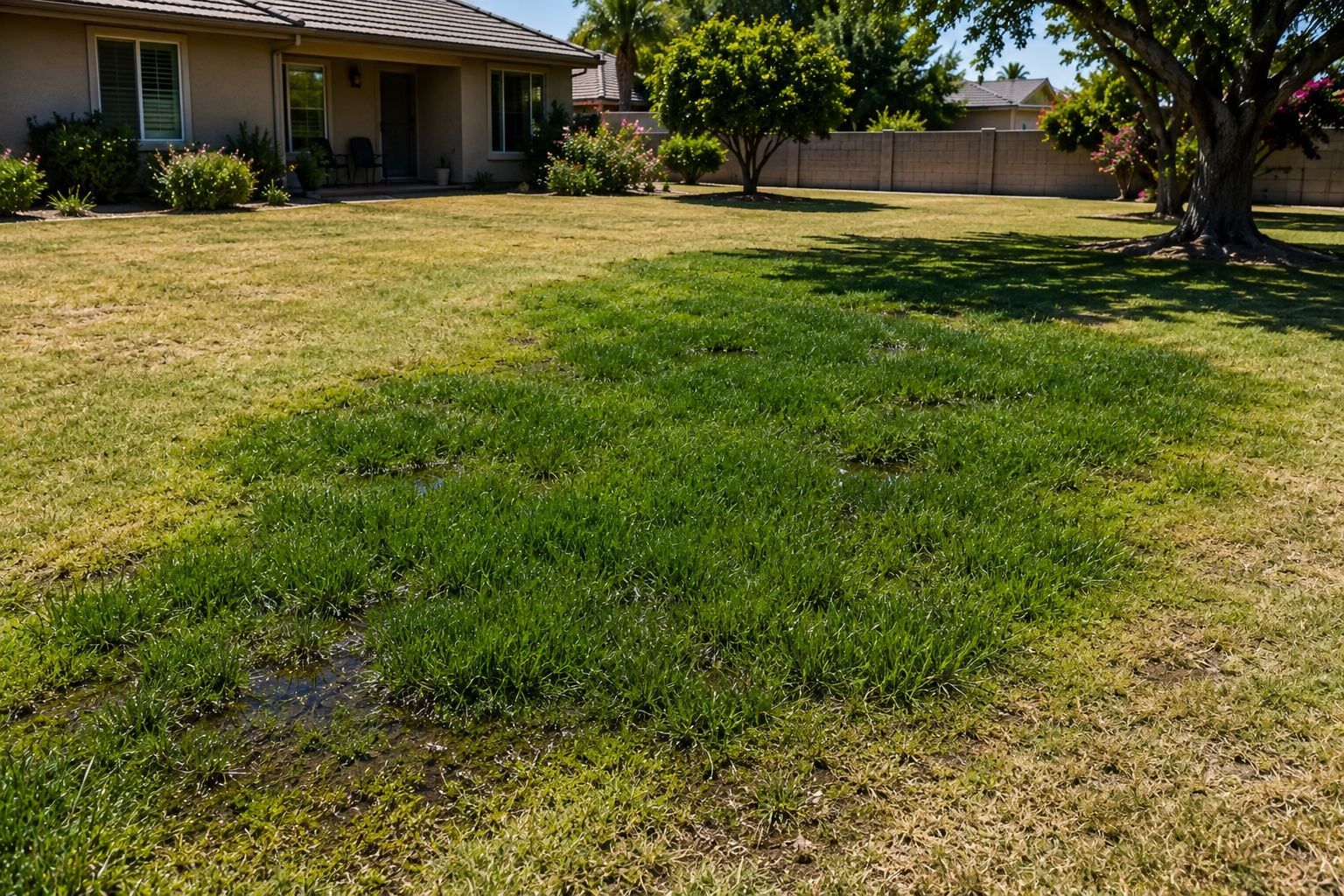
When soil conditions are misunderstood or ignored, septic systems frequently experience drain field collapse, wastewater surfacing, or contamination of surrounding land. In desert environments, these failures often occur faster due to poor absorption and high evaporation rates. Repairs can require complete system replacement rather than minor adjustments. Factoring soil characteristics into system design protects property owners from unexpected expenses and health risks. Proper evaluation supports efficient wastewater treatment, regulatory compliance, and reliable long-term septic performance under demanding desert conditions commonly found across arid residential and rural development areas statewide.
2. Climate Extremes and System Durability
Effects of High Temperatures
Arizona’s prolonged high temperatures significantly influence septic system operation and material longevity. Heat accelerates bacterial activity within septic tanks, increasing breakdown rates but also raising the risk of evaporation and sludge concentration. Dry surrounding soil may shrink, reducing consistent absorption in the drain field. Extreme heat can also weaken plastic components, seals, and piping if materials are not rated for desert exposure. Without proper design considerations, heat-related stress can shorten system lifespan and increase maintenance frequency significantly across long summer seasons typical of Arizona’s arid climate zones statewide overall.
Seasonal Temperature Fluctuations
Although Arizona winters are relatively mild, daily temperature swings between daytime heat and cooler nights can place stress on septic system materials. Repeated expansion and contraction may loosen pipe joints, crack tanks, or compromise seals over time. These small issues often remain unnoticed until wastewater flow is disrupted. Accounting for temperature fluctuation during installation helps prevent structural fatigue. Durable materials and flexible connections improve resilience and ensure consistent performance throughout seasonal changes commonly experienced in desert and high elevation regions during transitional weather periods each year statewide reliability overall.
Best Practices for Heat Resistance
Designing septic systems for desert heat requires intentional material selection and thoughtful installation methods. Heat-resistant tanks, reinforced lids, and UV-protected piping reduce degradation caused by prolonged sun exposure. Proper burial depth helps stabilize internal temperatures and protect components. In some cases, strategic shading or insulation may be beneficial. These practices collectively preserve system integrity, minimize thermal stress, and extend operational life despite harsh climate conditions found across Arizona’s desert environments where temperature extremes challenge standard septic designs and materials regularly over time without mitigation planning measures in place effectively.
3. Water Usage and Conservation Considerations
Long-Term Benefits
A balanced water usage strategy reduces maintenance demands while extending septic system lifespan. Consistent flow prevents pipe blockages, stabilizes biological processes, and supports efficient wastewater movement. Over time, this balance lowers repair frequency and protects system components. Property owners benefit from improved reliability without sacrificing responsible water conservation practices, which remain essential in desert environments facing ongoing drought conditions regulatory pressure and rising water costs across Arizona’s residential and rural development areas long term sustainability goals aligned with infrastructure performance and compliance standards over decades of system operation locally.
4. Drain Field Design and Placement Challenges
Limited Land and Soil Absorption
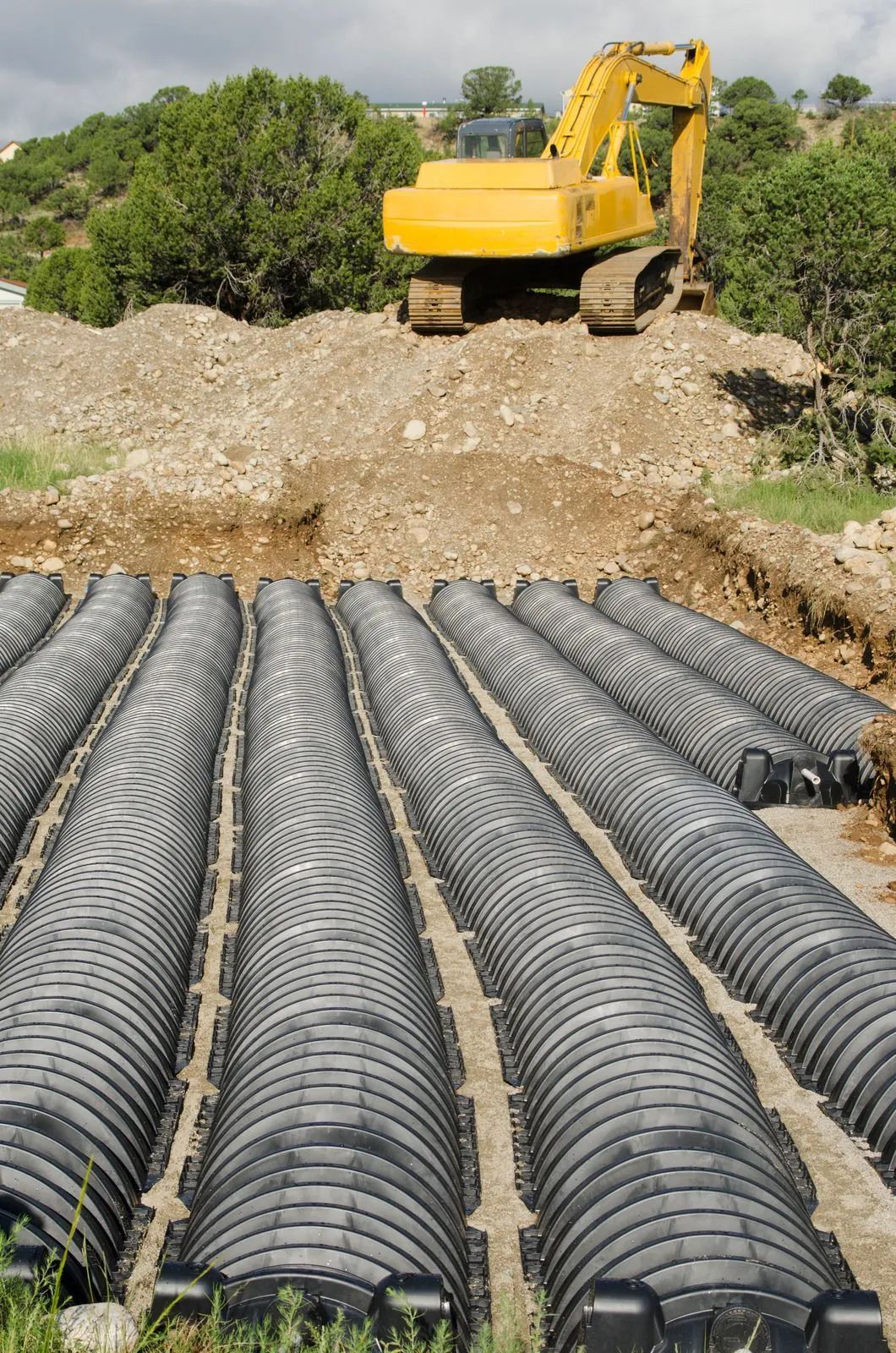
Designing a drain field in desert terrain can be challenging due to limited usable land and inconsistent soil absorption. Rocky ground, shallow soil depth, and uneven surfaces restrict placement options. Drain fields must distribute wastewater evenly to avoid saturation in one area. Careful site evaluation ensures the field functions efficiently without overloading specific sections or causing surface discharge that threatens surrounding property, vegetation, and groundwater quality in arid regions with limited natural filtration capacity and strict environmental oversight requirements enforced locally and statewide by authorities regularly during inspections and reviews.
Elevation and Grading Requirements
Proper grading is essential for protecting drain fields from surface water intrusion and erosion. During seasonal monsoons, runoff can flood improperly graded systems, reducing absorption and damaging components. Elevation planning directs excess water away from the field while maintaining stable soil conditions. These measures help preserve drain field performance and reduce weather-related failures common in desert environments experiencing sudden heavy rainfall events that overwhelm unprepared wastewater infrastructure systems without adequate drainage controls or planning measures in place during initial installation stages or later modifications and expansions phases occur unexpectedly.
Alternative System Options
When natural soil conditions cannot support conventional septic systems, engineered or alternative solutions may be required. These systems provide advanced treatment using specialized components and controlled distribution methods. Although more complex, they allow wastewater treatment where standard drain fields are ineffective. Proper design and ongoing maintenance are critical to ensuring these systems perform reliably under desert conditions while meeting regulatory requirements and protecting groundwater resources in areas with restrictive geology or limited percolation capacity across Arizona’s diverse desert landscapes and development zones statewide long term performance goals achieved responsibly.
Dependable Septic Expertise Tailored to Arizona Conditions
Simply Rooter and Septic is a leading authority in septic system installation and repair, serving the Phoenix Metropolitan Area with professionalism and precision. With 25 years of hands-on experience in desert-specific septic solutions, the company understands the unique environmental, soil, and regulatory challenges that Arizona property owners face. Their expertise spans system design, installation, diagnostics, and long-term maintenance, ensuring every project meets both functional and environmental standards.
Specializing in
septic system installation and repair, Simply Rooter and Septic
approaches each job with a commitment to quality workmanship, compliance, and customer education. Their team prioritizes durable materials, proper system sizing, and code-compliant installation practices tailored to desert conditions. By focusing on long-term performance rather than short-term fixes, they help clients avoid costly failures and unnecessary repairs. Property owners across the Phoenix Metropolitan Area rely on their proven knowledge, transparent service approach, and dedication to protecting Arizona’s groundwater resources. When experience, reliability, and desert-specific expertise matter, Simply Rooter and Septic
stands as a trusted partner in responsible wastewater management.