Why Regular Septic Pumping Is Essential for a Healthy System
A well-functioning septic system is a cornerstone of any home or property that relies on on-site wastewater treatment. Unlike municipal sewage systems, septic systems require homeowners to actively maintain them to ensure they operate efficiently. One of the most critical aspects of this maintenance is regular septic pumping. Over time, solids and sludge accumulate in the septic tank, creating potential risks that can compromise both the system’s performance and the property’s safety. Ignoring this essential maintenance step can lead to clogs, backups, and expensive repairs that far outweigh the cost of routine pumping.
Regular septic pumping is not just about protecting your investment; it is about safeguarding your home, the environment, and public health. Septic system failures can result in untreated wastewater contaminating soil and groundwater, posing serious health hazards. By understanding the importance of timely pumping and the factors that influence the frequency of this maintenance, homeowners can take proactive steps to extend the life of their septic system. In this article, we will explore why regular septic pumping is essential, the signs your system needs attention, and actionable strategies to ensure long-term efficiency and reliability.
Understanding How Septic Systems Work
The Basics of a Septic System
A typical septic system consists of three primary components: the septic tank, the drain field (or leach field), and the soil absorption area. The septic tank collects wastewater from the household and allows solids to settle while liquid effluent flows to the drain field. Bacteria in the tank naturally break down some of the solids, but this process is not enough to prevent sludge buildup over time.
The Role of Solids and Sludge
Solids that are not broken down accumulate at the bottom of the tank as sludge, while grease and lighter materials form a scum layer on top. When the sludge and scum layers grow too thick, they can overflow into the drain field. This overflow can clog soil pores, inhibit proper wastewater absorption, and eventually lead to system failure. Understanding this process highlights why routine pumping is a non-negotiable aspect of septic system care.
Benefits of Regular Septic Pumping
Preventing System Failures
Regular pumping ensures that solids and sludge are removed before they can damage the system. This simple preventive measure significantly reduces the risk of backups, leaks, and drain field contamination. By maintaining optimal tank capacity, homeowners protect the integrity of the entire septic system and avoid disruptive and expensive emergency repairs.
Protecting Health and the Environment
Septic system failures can allow untreated wastewater to escape into soil and groundwater, potentially contaminating drinking water and causing serious health risks. Routine pumping minimizes these risks, keeping harmful bacteria and pathogens contained within the system. This is particularly important in areas where properties rely on well water or where soil conditions are sensitive.
Cost Efficiency
While some homeowners may view septic pumping as an unnecessary expense, it is actually a cost-saving strategy. Preventing system failure through regular maintenance is far less expensive than dealing with a full system replacement or emergency repairs. Studies indicate that neglecting routine pumping can result in repair costs that are five to ten times higher than the cost of scheduled maintenance.
Signs Your Septic System Needs Pumping
Pooling Water or Lush Patches
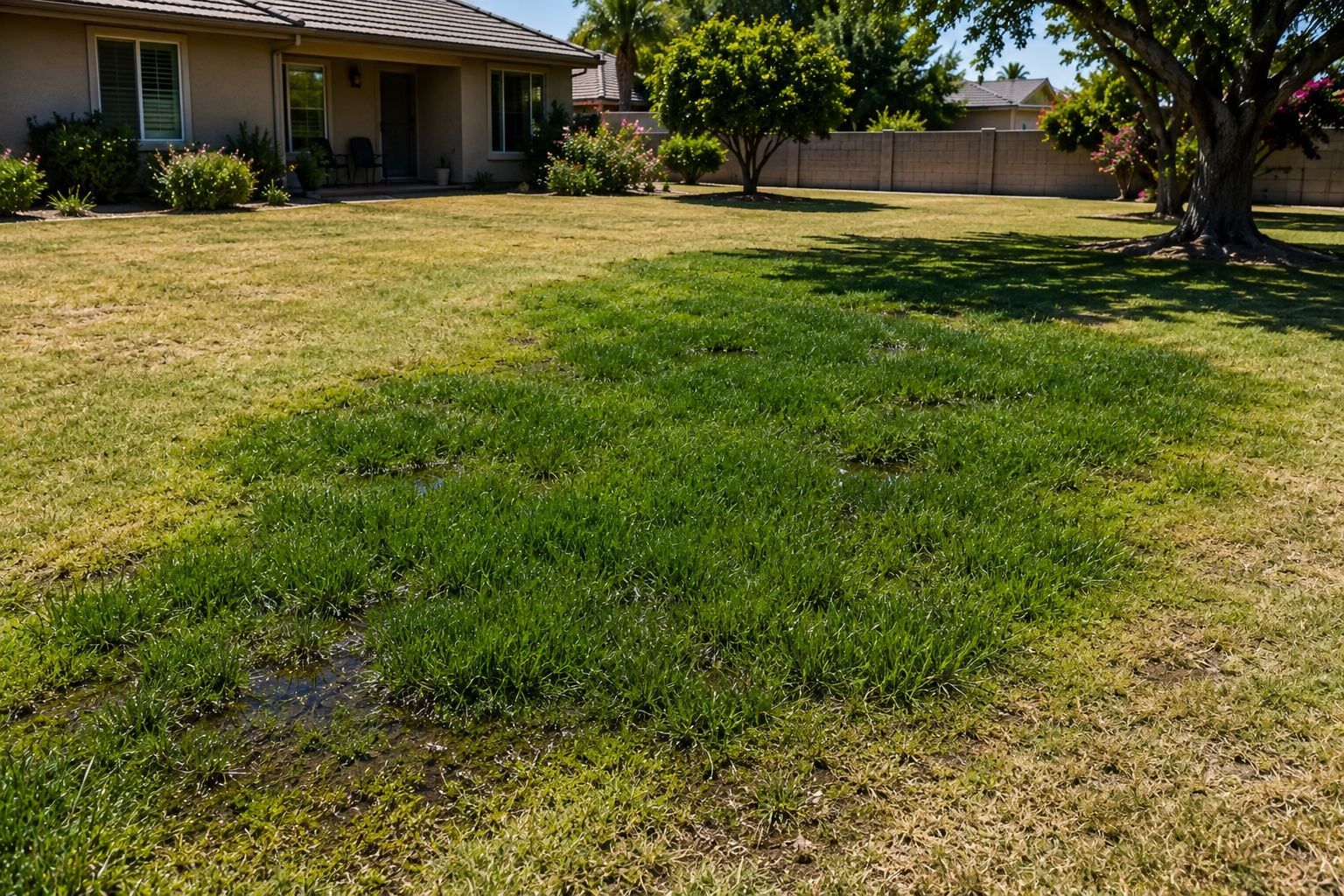
Excessive water pooling or unusually green, lush areas in the yard above the drain field can indicate that effluent is surfacing due to blockages. This is a visual sign that the septic system is struggling and may need pumping to prevent further damage.
Frequency Guidelines
While signs of trouble are critical, proactive homeowners should follow general pumping guidelines. Typically, a household of three to four people should pump their 1,000-gallon tank every three to five years. Larger households, smaller tanks, or systems with high water usage may require more frequent maintenance.
Best Practices for Septic System Maintenance
Routine Inspections
Pumping alone is not enough; regular inspections are essential. A professional inspection helps identify potential issues, such as cracks in the tank, leaks, or drain field problems. Catching these issues early allows homeowners to address them before they escalate.
Water Conservation
Reducing water usage lowers the volume of wastewater entering the tank, slowing sludge buildup. Practices like installing low-flow fixtures, fixing leaks promptly, and spacing out laundry loads contribute to a healthier, longer-lasting septic system.
Proper Waste Disposal
Reducing water usage lowers the volume of wastewater entering the tank, slowing sludge buildup. Practices like installing low-flow fixtures, fixing leaks promptly, and spacing out laundry loads contribute to a healthier, longer-lasting septic system.
Landscaping Considerations
Planting trees or shrubs too close to the drain field can result in root intrusion, which damages pipes and impedes effluent absorption. Maintaining appropriate landscaping ensures proper system function and avoids costly repairs.
Challenges of Neglecting Septic Pumping
Costly Repairs
Ignoring regular pumping leads to sludge overflow, which can clog the drain field. Repairing or replacing a drain field is a major expense that often involves extensive excavation, soil replacement, and new piping installation.
Health and Safety Risks
Untreated wastewater poses serious health risks. Contact with contaminated soil or water can result in infections, gastrointestinal illnesses, or exposure to harmful pathogens. Neglecting pumping increases the likelihood of such hazards, particularly in households with children or pets.
Environmental Impact
Septic system failures can contaminate nearby water sources, affecting local ecosystems and potentially violating environmental regulations. Regular maintenance reduces the risk of pollution, protecting both the property and the broader community.
Legal and Property Implications
In some regions, local regulations require homeowners to maintain septic systems in good working order. Failure to comply may result in fines, legal consequences, or complications during property sales. Pumping the tank on schedule ensures compliance and preserves property value.
Expert Recommendations for Septic Pumping Frequency
Assessing Household Needs
Septic pumping schedules are not one-size-fits-all. The number of occupants, water usage patterns, and tank size all influence how frequently pumping should occur. A professional evaluation can determine the optimal maintenance schedule tailored to the household.
Following Manufacturer Guidelines
Many modern septic tanks come with manufacturer-recommended pumping intervals. Adhering to these guidelines, in combination with regular inspections, ensures that the system operates efficiently and avoids preventable issues.
Professional vs. DIY Pumping
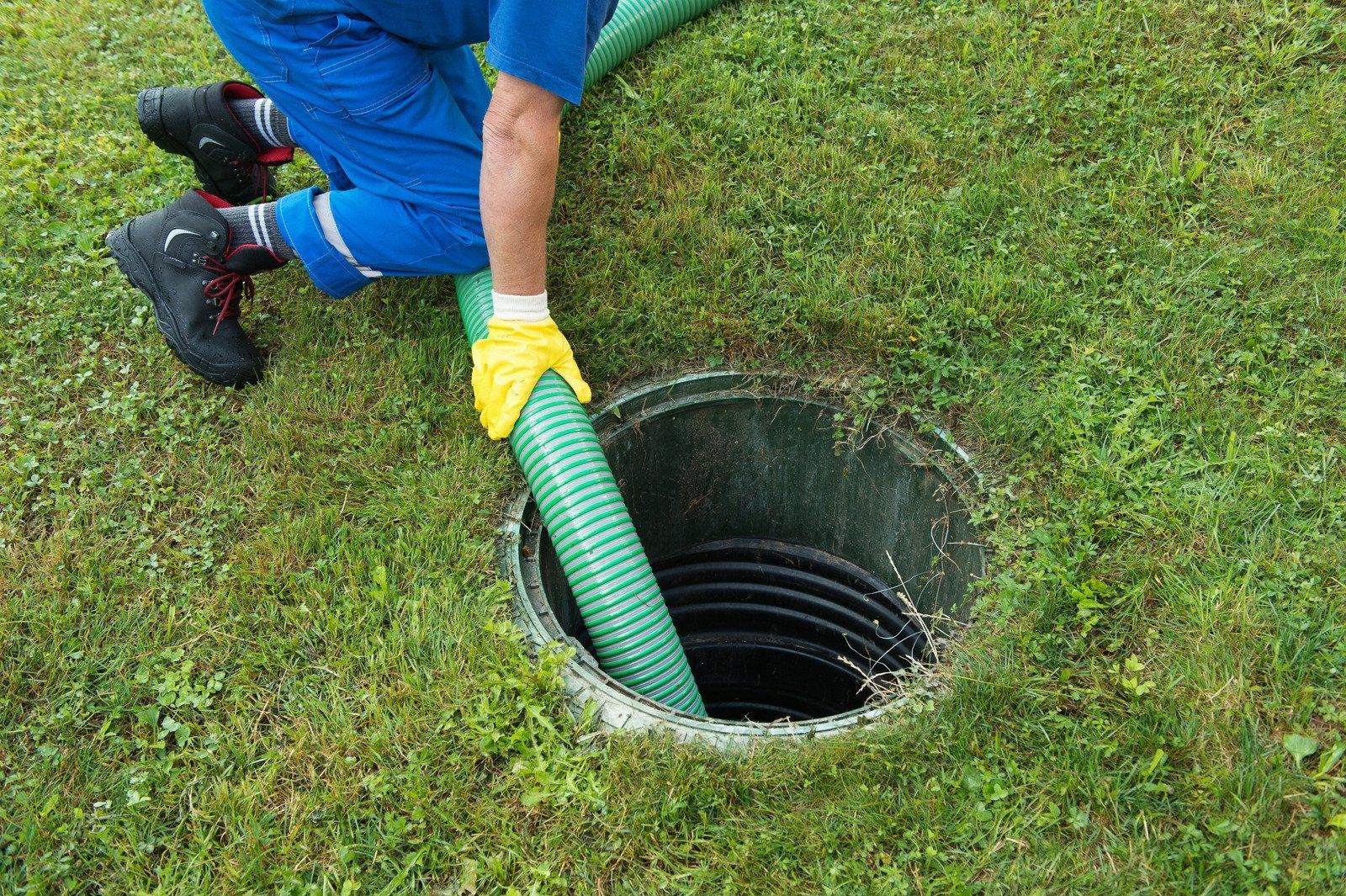
While homeowners may be tempted to handle pumping themselves, professional septic services offer expertise, proper equipment, and adherence to local safety standards. Professional pumping ensures complete sludge removal, accurate inspections, and safe disposal of wastewater.
Creating a Maintenance Log
Keeping detailed records of pumping, inspections, and repairs allows homeowners to track system health over time. A maintenance log helps anticipate future needs, schedule timely service, and provide documentation for insurance or resale purposes.
Long-Term Advantages of Consistent Septic Pumping
Extended System Lifespan
Increased Property Value
Well-maintained septic systems enhance property value by demonstrating responsible management to potential buyers. A documented history of regular pumping can reassure buyers that the system is reliable and compliant with local regulations.
Peace of Mind
Beyond financial and environmental benefits, routine pumping offers homeowners peace of mind. Knowing that the septic system is functioning properly reduces stress and ensures that the home environment remains safe and sanitary for all occupants.
Expert Septic Solutions Ensure Safe Wastewater Management
Regular septic pumping is more than just routine maintenance—it is a critical component of a healthy, efficient, and safe septic system. By removing accumulated sludge and scum, homeowners prevent costly backups, extend the system’s lifespan, protect public health, and minimize environmental impact. Paying attention to warning signs such as slow drains, foul odors, and pooling water ensures that potential issues are addressed promptly before they escalate into expensive repairs. Following best practices, including water conservation, proper waste disposal, and routine inspections, further strengthens system performance and reliability.
For homeowners in the Phoenix Metropolitan Area, Arizona, trusting a professional septic service is the most effective way to ensure system longevity. Simply Rooter and Septic
brings 25
years of experience in septic system installation and repair, offering comprehensive maintenance and pumping services tailored to your property’s needs. Our team combines technical expertise, reliable service, and a commitment to customer satisfaction, ensuring that every septic system remains efficient, safe, and compliant. With Simply Rooter and Septic, you can confidently protect your home, your health, and your investment for years to come.