What to Expect During a New Septic System Installation for Your Home?
Installing a new septic system is a major investment that directly affects a home’s sanitation, environmental impact, and long-term functionality. For homeowners building a new property or replacing a failing system, understanding what happens during the installation process helps reduce uncertainty, avoid delays, and support informed decision-making. Septic installation is not a single task but a carefully regulated, multi-phase process requiring professional planning, site evaluation, permitting, and precise execution.
Because septic systems operate underground and interact with soil, groundwater, and household waste, errors during installation can lead to costly failures, health hazards, or regulatory violations. Modern septic solutions are engineered to meet environmental standards while providing dependable performance, making proper installation more important than ever. Homeowners who understand timelines, requirements, and responsibilities are better prepared to collaborate with professionals and protect their property investment.
This guide explains what to expect during a new septic system installation, from early assessments to final inspections. It outlines the technical steps involved, common challenges, and best practices that ensure compliance and longevity. Whether you are planning construction or upgrading an outdated system, knowing what lies ahead provides confidence and clarity throughout the process.
1. Initial Planning and Site Evaluation
Understanding Property Suitability
The septic installation process begins with a thorough evaluation of the property. Soil composition, lot size, slope, groundwater levels, and proximity to wells or surface water all influence system design. Sandy soils drain differently than clay-heavy soils, which affects absorption rates and determines system type. This assessment also helps identify environmental limitations early, reducing the risk of costly redesigns or compliance issues later in the project. Early evaluation ensures the system aligns with both environmental conditions and household needs, preventing avoidable failures before construction begins.
Perc Testing and Soil Analysis
A percolation test measures how quickly water absorbs into the soil. This data ensures the drain field can safely process wastewater without surfacing or contaminating groundwater. Failed perc tests may require alternative system designs, such as engineered or mound systems. Proper soil analysis protects nearby water sources and ensures the system functions efficiently under daily household demand. Accurate testing is critical for selecting a design that balances performance, environmental safety, and long-term reliability.
System Design Recommendations
Based on findings, professionals recommend a system sized for household usage and compliant with local regulations. Design planning prevents future overflows, backups, and premature failures caused by under-capacity systems. A well-matched design also improves system longevity and reduces long-term maintenance costs for homeowners. Thoughtful design ensures consistent performance while accommodating future household changes or expansions.
2. Permitting, Regulations, and Approvals
Navigating Local Health Codes
Septic systems are regulated by county and state health departments. Permits ensure the system meets sanitation and environmental protection standards. Installing without approval can result in fines or forced removal. Compliance also protects homeowners from legal issues during inspections, refinancing, or property sales. Adhering to regulations safeguards public health and prevents costly legal complications down the road.
Design Review and Approval Process
Submitted plans undergo review for setbacks, drain field placement, and waste flow calculations. Approval timelines vary depending on jurisdiction and property complexity. Addressing regulatory feedback promptly helps avoid delays and ensures the project stays on schedule. Professional coordination with regulators helps streamline approvals and reduce administrative setbacks.
Homeowner Responsibilities
Homeowners may need to provide surveys, utility locations, or access permissions. Timely documentation keeps the project moving without regulatory delays. Clear communication between homeowners and installers supports efficient coordination throughout the approval phase. Active homeowner involvement helps eliminate misunderstandings and keeps installation timelines predictable.
3. Excavation and Site Preparation
Excavation Process
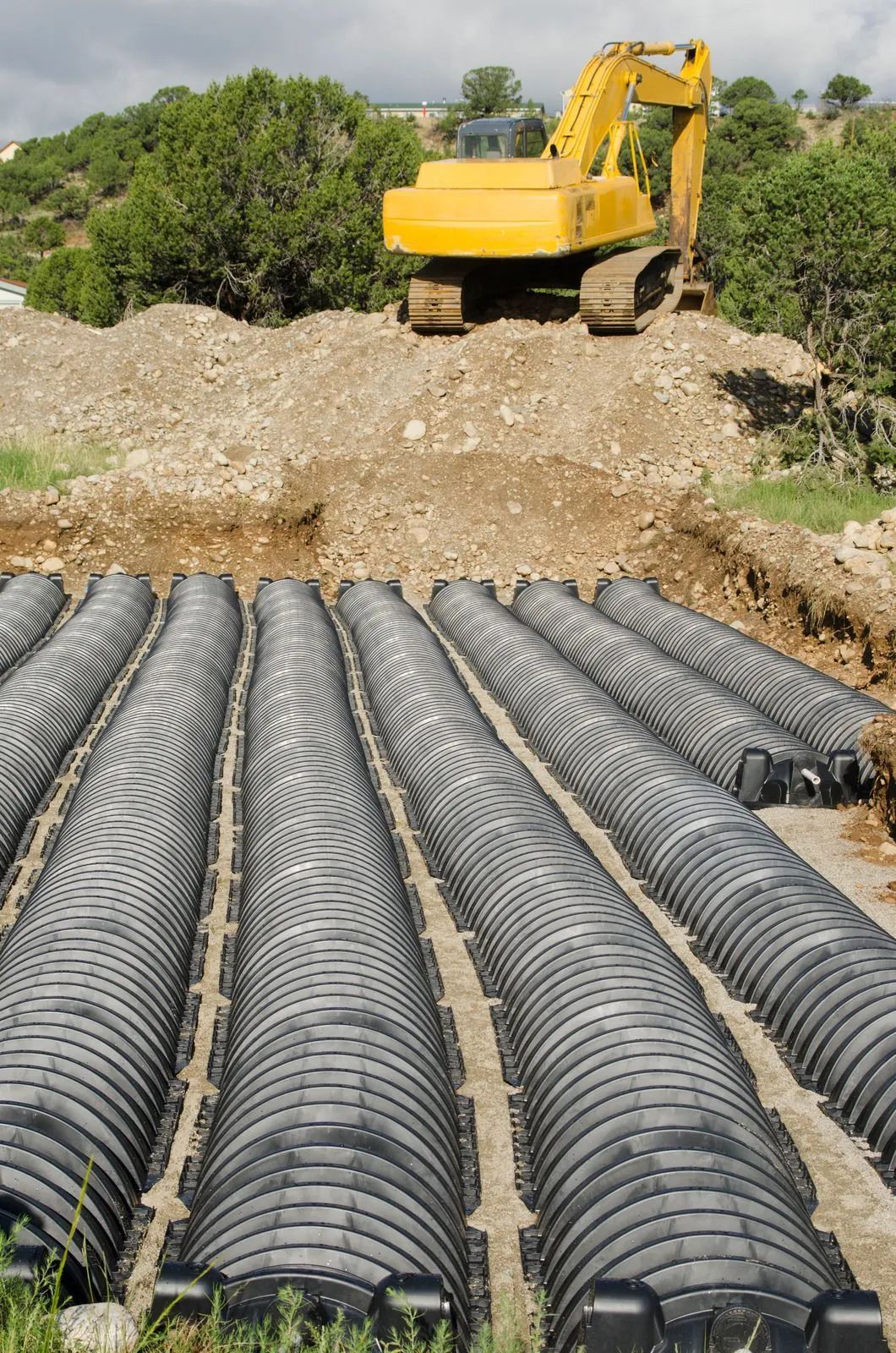
Heavy equipment is used to dig tank pits and trench drain field lines. Precision is critical to maintain correct depths and slopes for proper wastewater flow. Accurate excavation supports gravity-based drainage and prevents structural stress on system components. Experienced operators ensure soil integrity is maintained to support long-term system stability.
Managing Disruption
Installation typically takes several days. While excavation can be disruptive, professional planning minimizes property impact and restores disturbed areas after completion. Clear timelines and site management help homeowners plan around temporary access limitations. Effective communication ensures homeowners remain informed throughout each phase of the process.
4. Septic Tank and Drain Field Installation
Tank Placement and Connection
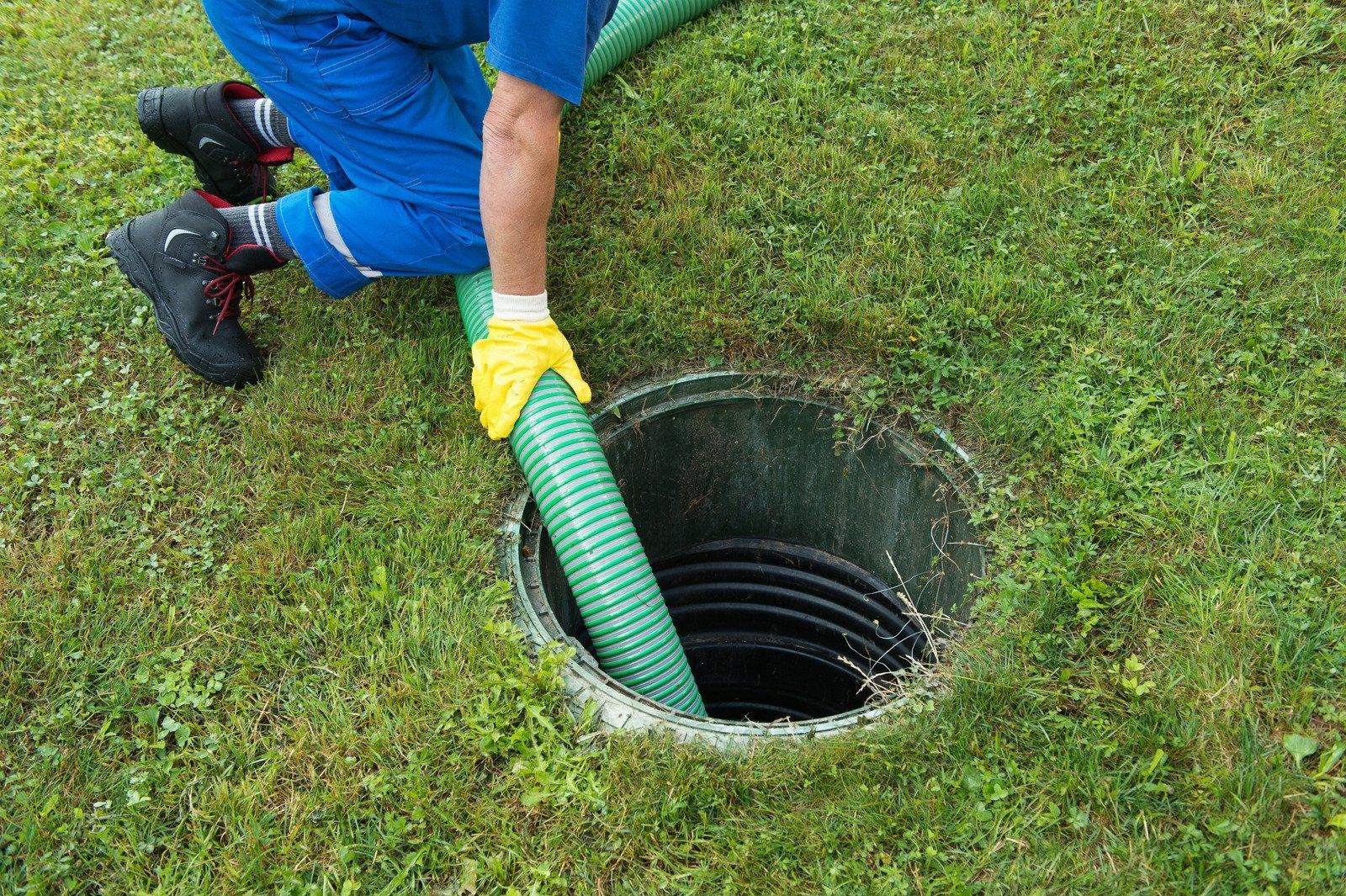
The septic tank is carefully lowered into place, leveled, and connected to the home’s plumbing. Proper alignment prevents stress fractures or uneven settling over time. Secure installation ensures consistent wastewater flow and reduces the risk of leaks or system failure. Correct placement is essential for maintaining structural integrity and long-term system performance.
Drain Field Construction
Perforated pipes are laid within gravel or engineered media to distribute effluent evenly. The drain field must be protected from compaction to maintain soil absorption. Proper construction supports efficient filtration and prevents premature drain field saturation.
Well-built drain fields significantly extend system lifespan and reduce the likelihood of costly repairs.
System Integrity Checks
Installers verify watertight seals, correct pipe angles, and secure connections before covering components. These checks are essential for long-term reliability. Identifying issues at this stage prevents costly repairs after the system is operational. Thorough inspections ensure the system performs safely under continuous daily use.
5. Inspections, Testing, and Final Approval
Required Inspections
Health department inspectors verify installation matches approved plans. Inspections occur before backfilling to confirm structural and functional compliance. This step ensures the system meets safety, performance, and environmental standards. Passing inspections confirms that all components meet regulatory and engineering requirements.
System Testing
Water flow tests confirm proper movement from the home to the tank and through the drain field. Any deficiencies must be corrected before approval. Testing validates that the system performs as designed under real-world conditions. These tests ensure reliable operation during peak household water usage.
Final Authorization
Once approved, the system is legally operational. Documentation is issued confirming compliance, which may be required for property records or resale. Proper authorization protects homeowners from future regulatory disputes. Official approval also provides peace of mind that the system meets all legal standards.
6. Post-Installation Care and Long-Term Considerations
Initial System Use
New systems require careful early use. Gradual wastewater introduction allows soil to acclimate and prevents hydraulic overload. Responsible usage during this phase supports proper biological activity within the system. Early care helps establish healthy bacteria essential for efficient waste breakdown.
Maintenance Best Practices
Routine pumping, water conservation, and avoiding harmful chemicals extend system lifespan. Educated homeowners reduce failure risks significantly. Consistent maintenance also helps identify minor issues before they escalate. Proactive care minimizes emergency repairs and unexpected system downtime.
Planning for Longevity
Understanding load limits, drain field protection, and warning signs ensures dependable performance for decades when properly maintained. Long-term planning safeguards both property value and environmental health. A well-maintained system provides reliable service while protecting surrounding ecosystems.
A new septic system installation is a structured, highly regulated process designed to protect both household health and the surrounding environment. From initial soil evaluations and permitting to excavation, system placement, and final inspections, each stage plays a critical role in long-term performance. Homeowners who understand what to expect can better prepare their property, coordinate timelines, and avoid costly setbacks. Proper planning, professional execution, and post-installation care collectively determine system reliability and lifespan. When handled correctly, a septic system becomes a seamless, dependable utility that supports daily living without disruption. Investing time in understanding the installation process empowers homeowners to make informed decisions, comply with regulations, and safeguard their property value for years to come.
Trusted Septic Expertise You Can Rely On
For homeowners seeking dependable septic system installation services, Simply Rooter and Septic stands as a trusted authority in the Maricopa and Mesa, Arizona. With 25 years of hands-on industry experience, the company has built a strong reputation for delivering compliant, efficient, and long-lasting septic solutions tailored to residential needs. Their team understands the region’s soil conditions, regulatory landscape, and environmental considerations, ensuring each installation meets both technical standards and homeowner expectations.
Simply Rooter and Septic approaches every project with precision, transparency, and professionalism. From early evaluations through final inspections, their process emphasizes accuracy, durability, and client education. Homeowners benefit from clear communication, reliable timelines, and systems designed for long-term performance rather than short-term fixes. Their depth of experience allows them to anticipate challenges, recommend appropriate system designs, and execute installations with minimal disruption.
By combining technical expertise with a commitment to quality workmanship, Simply Rooter and Septic provides homeowners with confidence that their septic investment is handled correctly from the ground up.